
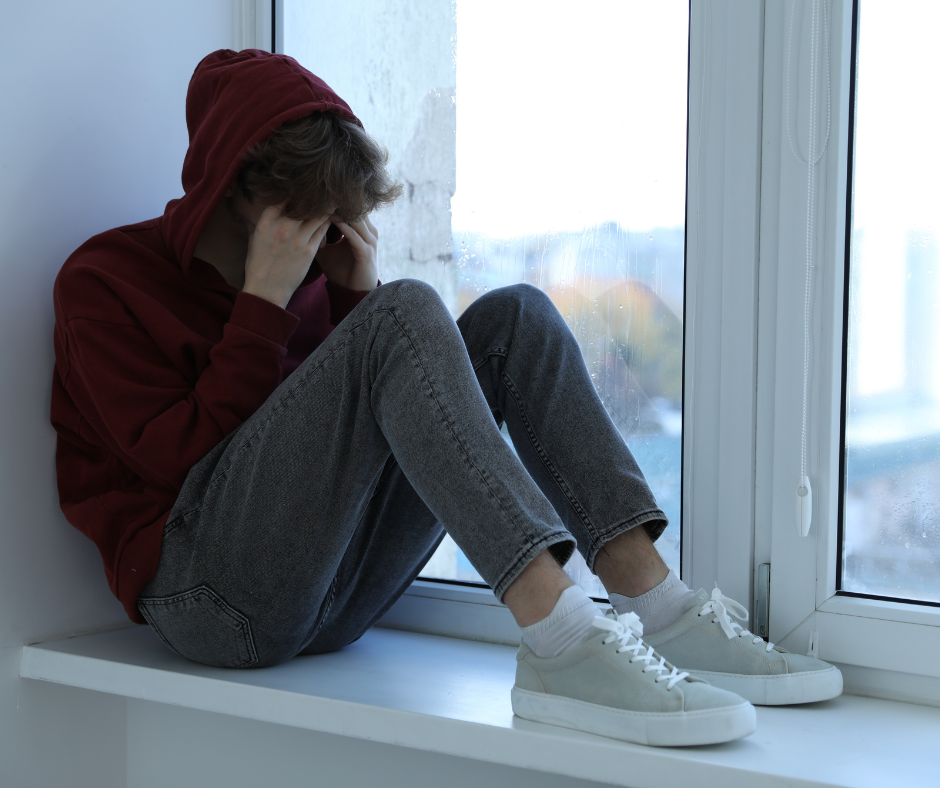
Seasonal Affective Disorder affects thousands of Canadians every year, and healthcare experts often see a rise in symptoms as daylight hours decrease during fall and winter. Research from the Canadian Mental Health Association suggests that approximately 2% to 3% of Canadians experience Seasonal Affective Disorder, while another 15% experience a milder form of seasonal depression during darker months. Canadians who live in northern regions often face a higher risk because they receive fewer hours of natural daylight during winter. In Manitoba, where winter days become particularly short, many people notice symptoms of a seasonal mood disorder long before the coldest temperatures arrive. Therefore, awareness of sad disorder symptoms becomes especially important as communities prepare for another long winter season.
Many people dismiss these symptoms as the “winter blues.” However, Seasonal Affective Disorder is a recognized form of depression that follows a seasonal pattern and can significantly affect daily life, relationships, work performance, and overall well-being. Therefore, understanding the signs, risk factors, and treatment options can help people seek support early and maintain better mental health throughout the colder months.

What Is Seasonal Affective Disorder?
Seasonal Affective Disorder is a type of depression that develops during a specific season each year. Most cases begin during the fall and continue through winter. Symptoms usually improve when spring arrives and daylight hours increase. According to mental health experts at CAMH, reduced exposure to sunlight appears to play a major role in triggering the condition.
Unlike temporary sadness or occasional low energy, Seasonal Affective Disorder produces symptoms that persist for weeks or months. As a result, people may struggle to function normally at work, school, or home.
Seasonal Depression Versus the Winter Blues
Many Canadians experience lower energy during winter. However, seasonal depression differs from simple winter fatigue or winter blues.
People experiencing the winter blues may feel less motivated but can usually continue their daily activities. In contrast, Seasonal Affective Disorder often causes symptoms that interfere with concentration, productivity, relationships, and emotional well-being.
Furthermore, symptoms return around the same time each year. This predictable pattern helps healthcare providers distinguish a seasonal mood disorder from other forms of depression.

Why Knowledge About Seasonal Affective Disorder Matters in Manitoba
Serotonin and melatonin are two important chemicals that help regulate mood, sleep, energy, and emotional well-being. Researchers believe that changes in both play a significant role in Seasonal Affective Disorder (SAD) and other forms of depression. According to the Centre for Addiction and Mental Health (CAMH), reduced exposure to sunlight may affect the function of neurotransmitters such as serotonin and can also disrupt the body’s biological clock and may contribute to symptoms of Seasonal Affective Disorder (SAD). Think of serotonin as the brain’s natural “feel-good messenger.” When serotonin signaling works well, people generally feel more emotionally balanced and resilient. When it becomes disrupted, mood can decline.
Similarly, Melatonin is a hormone produced by the pineal gland in the brain. Its primary job is to regulate the body’s circadian rhythm, often called the internal body clock. Darkness stimulates melatonin production, while sunlight suppresses it.
During fall and winter, shorter days and longer nights can lead to changes in melatonin production. As a result, some people may experience:
- Excessive sleepiness
- Difficulty waking up
- Daytime fatigue
- Low energy
- Reduced alertness
CAMH notes that changes in light exposure may upset the biological clock that controls sleep-wake pattern.
Besides the hormonal effect, Manitoba winters are also associated with:
- Extended periods indoors
- Reduced physical activity
- Increased social isolation
- Challenging weather conditions
Hormonal impact, social isolation, climatic challenges, and lack of physical activities all play a collective role in worsening seasonal depression symptoms and make recovery more difficult.
Why Some People May Notice More SAD Symptoms This Year
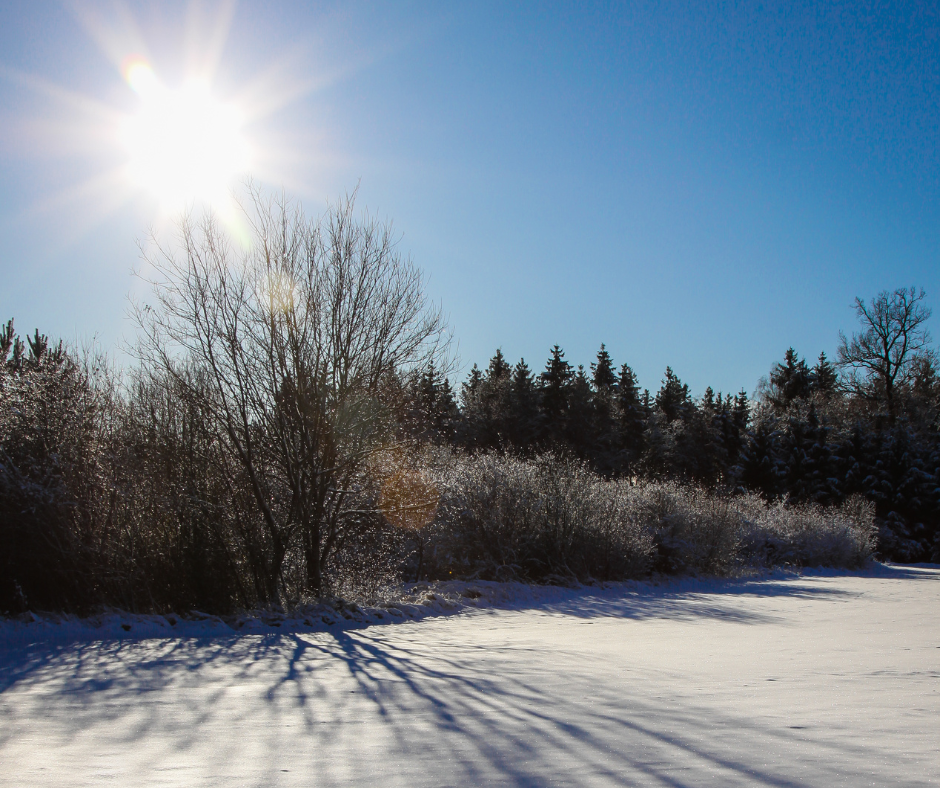
Many health experts continue to discuss how changes in daylight exposure affect mental health. Since people’s schedules often require early morning travel, work, and school commitments, reduced sunlight exposure can occur even when daylight hours remain available.
Furthermore, remote work, increased screen time, and less outdoor activity may contribute to worsening symptoms of Seasonal Affective Disorder.
People who already spend most daytime hours indoors may receive even less natural light exposure. Therefore, many individuals could notice stronger symptoms of a seasonal mood disorder than they experienced in previous years.
Although daylight changes alone do not cause depression, they can contribute to the biological changes associated with sad disorder in susceptible individuals.
What Causes Seasonal Affective Disorder?
Researchers continue to study the exact causes of Seasonal Affective Disorder. However, evidence suggests that several biological processes contribute to its development.
Reduced Sunlight and Seasonal Mood Disorder
Sunlight helps regulate many important functions in the body. When daylight decreases, the brain receives different signals from the environment.
As a result, changes may occur in:
- Sleep patterns
- Energy levels
- Mood regulation
- Hormone production
- Daily biological rhythms
These changes can increase the risk of developing a seasonal mood disorder.
Serotonin Changes and Seasonal Depression
Serotonin helps regulate mood and emotional well-being.
When daylight exposure decreases, serotonin activity may decrease as well. Consequently, some individuals experience symptoms such as sadness, irritability, and low motivation.
This connection helps explain why seasonal depression often develops during months with limited sunlight.
Melatonin Disruption in Sad Disorder
Melatonin helps regulate sleep and wake cycles.
Longer periods of darkness can influence melatonin production. Therefore, some people with sad disorder feel sleepy during the day, struggle with low energy, and experience difficulty maintaining normal routines.
Circadian Rhythm Changes in Seasonal Affective Disorder
The body’s internal clock, known as the circadian rhythm, helps regulate sleep, mood, and energy.
Reduced daylight can disrupt this system. Consequently, people with Seasonal Affective Disorder may experience fatigue, concentration problems, and mood changes that persist throughout the winter months.
Symptoms of Seasonal Affective Disorder
The symptoms of Seasonal Affective Disorder closely resemble those of major depression. However, they follow a clear seasonal pattern.
Emotional Symptoms of Seasonal Affective Disorder
Common emotional symptoms include:
- Persistent sadness
- Feelings of hopelessness
- Increased irritability
- Loss of motivation
- Reduced interest in activities
- Feelings of guilt
- Social withdrawal
Many individuals with seasonal depression report feeling emotionally exhausted even when no major life stressors exist.
Physical Symptoms of Seasonal Depression
Physical symptoms may include:
- Low energy
- Excessive sleep
- Difficulty waking up
- Increased appetite
- Cravings for carbohydrates
- Weight gain
- Reduced physical activity
Because these symptoms develop gradually, many people fail to recognize that a seasonal mood disorder may be responsible.
Cognitive Symptoms of Sad Disorder
People with sad disorder may also experience:
- Difficulty concentrating
- Memory problems
- Reduced productivity
- Slower thinking
- Indecisiveness
Consequently, work performance and academic achievement may decline during winter months.
Who Is Most at Risk for Seasonal Affective Disorder?
Anyone can develop Seasonal Affective Disorder, but some groups face a greater risk, especially because Manitoba is moving to permanent daylight savings from this year. This means, sunrise time may move to 9 am in the peak of winters.
Women and Seasonal Affective Disorder
CAMH reports that women receive a diagnosis of Seasonal Affective Disorder more frequently than men. Researchers continue to study the underlying reasons for this difference.
Younger Adults and Seasonal Depression
Younger adults appear more likely to develop seasonal depression than older adults. Risk generally decreases with age.
People Living in Northern Regions
Individuals living farther north receive less winter sunlight.
Therefore, residents of Manitoba and other northern regions may face a higher likelihood of developing a seasonal mood disorder.
People with a Family History of Depression
Family history also plays an important role.
Individuals with relatives who have depression or sad disorder may experience a greater risk themselves. [camh.ca]
How Seasonal Affective Disorder Affects Daily Life
Many people underestimate the impact of Seasonal Affective Disorder.
However, symptoms often extend beyond mood changes.
People may struggle to:
- Maintain work performance
- Complete daily tasks
- Exercise regularly
- Participate in social events
- Maintain healthy eating habits
- Stay engaged with family and friends
Consequently, seasonal depression can affect nearly every aspect of daily functioning.
Over time, isolation and inactivity may worsen symptoms. Therefore, early intervention plays a critical role in recovery.
Medical Treatments for Seasonal Affective Disorder
Several effective treatment options exist for Seasonal Affective Disorder.
Light Therapy for Seasonal Affective Disorder
Light therapy remains one of the most common treatments.
The treatment involves exposure to a specialized bright light device designed to simulate natural sunlight. According to CAMH, many people with Seasonal Affective Disorder experience significant improvement with light therapy.
Healthcare providers usually recommend using a light box consistently during the fall and winter months.
Psychotherapy for Seasonal Depression
Psychotherapy can help individuals understand thought patterns, develop coping skills, and improve emotional resilience.
Cognitive behavioural therapy often helps manage seasonal depression symptoms by addressing negative thinking patterns and encouraging healthier behaviours.
Medication for Sad Disorder
In some cases, healthcare professionals may recommend antidepressant medication.
Medication may benefit people who experience severe sad disorder symptoms or symptoms that persist despite other interventions.
Patients should always discuss treatment options with a qualified healthcare provider.
Non-Medical Strategies to Improve Seasonal Mood Disorder Symptoms
Many lifestyle changes can reduce symptoms of a seasonal mood disorder and support overall mental health.
Get Outside Every Day
Natural daylight remains one of the most important tools for managing Seasonal Affective Disorder.
Even on cloudy days, outdoor light provides greater brightness than most indoor environments.
Therefore, aim for daily outdoor exposure whenever possible.
Stay Physically Active
Exercise offers significant mental health benefits.
Regular movement helps support healthy sleep, energy levels, and mood regulation.
In addition, exercise may reduce many symptoms associated with seasonal depression.
Simple options include:
- Walking
- Indoor fitness classes
- Swimming
- Strength training
- Home workouts
Maintain Social Connections
Isolation often worsens seasonal mood disorder symptoms.
Therefore, regular contact with friends, family, and community groups can provide valuable emotional support.
Even brief social activities can improve mood and reduce feelings of loneliness.
Prioritize Healthy Sleep Habits
People with sad disorder often struggle with sleep changes.
Helpful strategies include:
- Maintaining a regular bedtime
- Limiting screen exposure before sleep
- Avoiding excessive daytime naps
- Keeping bedrooms dark and comfortable
Consistent sleep routines support better mental health throughout the winter.
Eat a Balanced Diet
Many individuals with Seasonal Affective Disorder experience stronger cravings for carbohydrates and sweets.
However, balanced meals that include protein, vegetables, fruit, and whole grains help support stable energy levels throughout the day.
Manage Stress Proactively
Stress can worsen seasonal depression symptoms.
Therefore, consider techniques such as:
- Deep breathing
- Meditation
- Mindfulness exercises
- Journaling
- Time management strategies
Small daily habits often produce meaningful improvements over time.
When to Seek Professional Help for Seasonal Affective Disorder
Many people benefit from early evaluation when symptoms first appear.
Consider seeking medical support if Seasonal Affective Disorder symptoms:
- Last longer than two weeks
- Affect work or school performance
- Disrupt relationships
- Cause significant distress
- Return every fall or winter
- Interfere with daily activities
Healthcare providers can assess symptoms, rule out other causes, and recommend evidence-based treatment options.
Fortunately, early recognition, increased daylight exposure, regular physical activity, social connection, professional support, and evidence-based treatments can all help manage Seasonal Affective Disorder successfully. As fall transitions into winter, paying attention to mood changes can make a meaningful difference. The sooner people recognize symptoms, the sooner they can take steps toward a healthier and more enjoyable winter season.
Estimated reading time: 10 minutes
Key Takeaways
- Seasonal Affective Disorder affects 2% to 3% of Canadians, with symptoms peaking during fall and winter due to reduced daylight exposure.
- Symptoms include persistent sadness, increased irritability, and physical fatigue, significantly impacting daily life and functioning.
- Light therapy, psychotherapy, and medication are effective treatments for Seasonal Affective Disorder, along with lifestyle changes like exercise and social connection.
- Northern residents face a higher risk of Seasonal Affective Disorder due to fewer hours of sunlight in winter months.
- Early recognition and professional support are crucial for managing Seasonal Affective Disorder and improving winter well-being.
