

Patients taking antidepressants often want a clear understanding of the difference between SSRIs and SNRIs. In Canada, doctors most commonly prescribe these two medication classes for the treatment of depression, anxiety, panic disorder, and several other mental‑health conditions. While they may seem similar, they work on different brain chemicals: SSRIs increase serotonin, whereas SNRIs increase both serotonin and norepinephrine. This distinction influences how they work, the symptoms they target, and the side‑effect profiles patients may experience.
In Manitoba, this conversation is especially important. Anxiety and depression remain two of the most frequently treated mental‑health concerns in the province. Data shows that 10.5% of Manitobans experience a mood or anxiety disorder within a 12‑month period, and 27.3% report poor or fair mental health—a rate significantly higher than the national average. As a result, many Manitobans will either be on one of these medications, know someone who uses them, or discuss them with a family physician, psychiatrist, pharmacist, or counsellor.
Understanding the difference between SSRIs and SNRIs helps patients to feel more informed, less intimidated, and more actively involved in their treatment decisions.
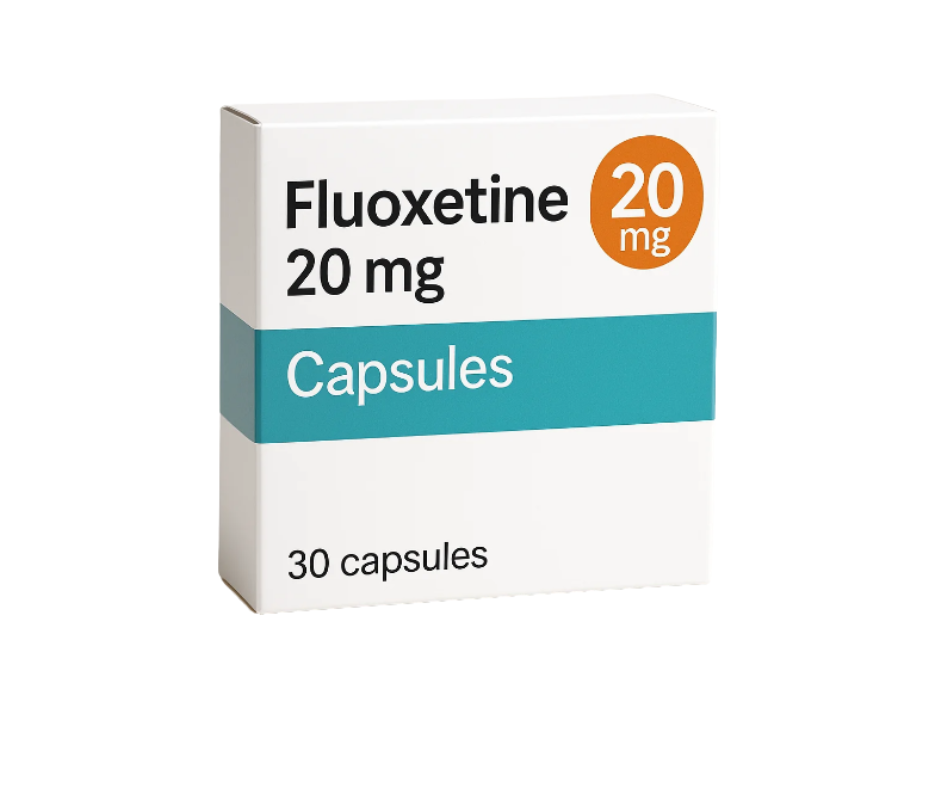
What Are SSRIs?
SSRI stands for selective serotonin reuptake inhibitor.
SSRIs increase the availability of serotonin in the brain. Serotonin is a neurotransmitter involved in mood, anxiety regulation, sleep, appetite, and emotional processing. The word “selective” means these medications primarily target serotonin rather than several neurotransmitters at once.
SSRIs do not create artificial happiness. They also do not work instantly. Instead, they gradually help regulate mood and anxiety pathways over several weeks.
In clinical practice, doctors commonly prescribe SSRIs because they are generally well tolerated, and familiar to clinicians.
Common SSRI Medications Available in Canada
Several SSRIs are commonly in Canada.
Fluoxetine (Prozac)
Fluoxetine is one of the older and well-known SSRIs. Doctors commonly prescribe this for depression, anxiety disorders, obsessive-compulsive disorder, panic disorder, and some eating disorders. It has a longer half-life than many other SSRIs, which means it stays in the body longer.
Sertraline (Zoloft)
Doctors prescribe this medication for depression, generalized anxiety disorder, panic disorder, post-traumatic stress disorder, social anxiety disorder, and obsessive-compulsive disorder. They prefer this because of its broad range of uses and clinical familiarity.
Escitalopram (Cipralex)
Even Escitalopram treats depression and anxiety. Many patients tolerate it well, and it is often selected when a clinician wants a straightforward SSRI option with relatively simple dosing.
Citalopram (Celexa)
Citalopram is another SSRI that treats depression and anxiety symptoms. However, it may require extra caution in patients with certain heart rhythm risks or those taking medications that can affect the QT interval. The QT interval is a measurement on an electrocardiogram (ECG) that shows how long it takes the heart’s ventricles to electrically activate and then fully reset. In simple terms, it represents the time from the start of the ventricles contracting to the end of their recovery phase.
Paroxetine (Paxil)
Once again, Doctors may prescribe Paroxetine for depression, anxiety disorders, panic disorder, and PTSD. However, it is more commonly associated with withdrawal symptoms if stopped suddenly and may cause more sedation or weight gain in some patients.
Fluvoxamine (Luvox)
Fluvoxamine commonly treats obsessive‑compulsive disorder, and clinicians also prescribe it for other anxiety‑related conditions when appropriate to the patient’s clinical needs.
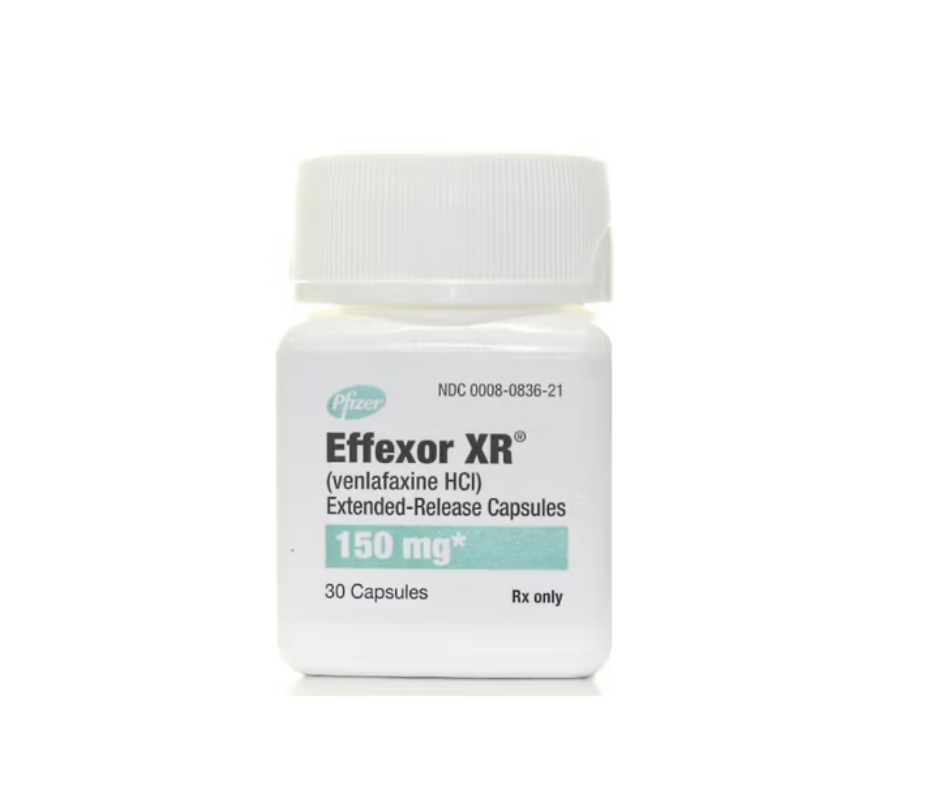
What Are SNRIs?
SNRI stands for serotonin-norepinephrine reuptake inhibitor.
SNRIs increase the activity of both serotonin and norepinephrine. Norepinephrine is a neurotransmitter involved in alertness, energy, attention, pain regulation, and the body’s stress response.
Because SNRIs affect both serotonin and norepinephrine, they may be helpful when depression comes with low energy, poor concentration, fatigue, or pain symptoms. Some SNRIs can also treat nerve pain, fibromyalgia, and chronic musculoskeletal pain.
This does not mean SNRIs are “stronger” than SSRIs. It means they act on a broader neurotransmitter pathway.
Common SNRI Medications Available in Canada
Venlafaxine (Effexor)
Venlafaxine commonly treats major depressive disorder, generalized anxiety disorder, panic disorder, and social anxiety disorder. At lower doses, it acts more strongly on serotonin, while at higher doses it has more norepinephrine activity. It may raise blood pressure in some patients, particularly at higher doses.
Duloxetine (Cymbalta)
Although Duloxetine treats depression and anxiety, doctors also recognize its role in chronic pain conditions, such as diabetic neuropathy, fibromyalgia, chronic musculoskeletal pain, and certain nerve pain syndromes. This makes it especially relevant for patients who have both mood symptoms and pain.
Desvenlafaxine (Pristiq)
Desvenlafaxine closely resembles venlafaxine and treats major depressive disorder, and clinicians often choose it when they want an SNRI with a simpler metabolic profile.
Main Difference Between SSRIs and SNRIs
Difference Between SSRIs and SNRIs in Terms of Uses
The main difference between SSRIs and SNRIs is the neurotransmitters they affect.
As mentioned earlier, SSRIs mainly increase serotonin availability. On the other hand, SNRIs increase both serotonin and norepinephrine availability.
This main difference between SSRIs and SNRIs is that it can influence how a medication feels to the patient. For example, SSRIs can work for depression and anxiety when the goal is to stabilize mood, reduce worry, improve panic symptoms, or remove obsessive thoughts. On the other hand, SNRIs can work effectively when depression or anxiety occurs with prominent fatigue, low motivation, concentration problems, or pain symptoms.
However, response varies widely. For example, a patient may respond effectively to an SSRI and poorly to an SNRI, or the opposite. Medication choice often depends on symptoms, previous medication history, side effects, medical conditions, and patient preference.
Uses of SSRIs
SSRIs are common for:
- Major depressive disorder
- Generalized anxiety disorder
- Panic disorder
- Social anxiety disorder
- Obsessive-compulsive disorder
- Post-traumatic stress disorder
- Premenstrual dysphoric disorder
- Some eating disorders
SSRIs are often the first preference because they are familiar, effective for many anxiety-related symptoms, and generally safer than older antidepressants in overdose.
Uses of SNRIs
SNRIs are common for:
- Major depressive disorder
- Generalized anxiety disorder
- Panic disorder
- Social anxiety disorder
- Chronic pain syndromes
- Fibromyalgia
- Diabetic nerve pain
- Certain musculoskeletal pain conditions
SNRIs can be particularly useful when a patient says, “I am depressed, but I also feel physically drained,” or “My mood and my chronic pain are feeding into each other.”
From a physician’s perspective, duloxetine is often discussed when pain and mood symptoms overlap, while venlafaxine is frequently considered for depression with anxiety or panic symptoms.
Difference Between SSRIs and SNRIs in Terms of Side Effects
Common Side Effects of SSRIs
SSRI side effects vary by person and medication. Common side effects may include:
- Nausea
- Loose stools or stomach upset
- Headache
- Sleepiness or insomnia
- Sexual side effects
- Dry mouth
- Increased sweating
- Temporary increase in anxiety when starting
- Emotional blunting in some patients
Many side effects improve after the first few weeks. Sexual side effects may persist and should be discussed openly with a healthcare provider. Patients should not stop the medication suddenly without guidance, because abrupt discontinuation can cause withdrawal-like symptoms.
Common Side Effects of SNRIs
SNRIs share some side effects with SSRIs, but they can also have norepinephrine-related effects.
Common SNRI side effects may include:
- Nausea
- Dry mouth
- Sweating
- Constipation
- Insomnia
- Dizziness
- Sexual side effects
- Increased heart rate
- Increased blood pressure in some patients
Venlafaxine, in particular, may require blood pressure monitoring, especially at higher doses. Duloxetine may require caution in people with liver disease or significant alcohol use.
Difference Between SSRIs and SNRIs in Terms Precautions
SSRIs and SNRIs may be common, but they still need thoughtful screening.
Patients should tell their healthcare provider if they have:
- Bipolar disorder or a history of mania
- Seizure disorder
- Liver disease
- Kidney disease
- Bleeding disorders
- Glaucoma
- Heart rhythm problems
- High blood pressure
- Pregnancy or breastfeeding
- Current use of other medications or supplements
- History of suicidal thoughts or self-harm
Both SSRIs and SNRIs can interact with other medications. These include certain migraine medications, opioids such as tramadol, blood thinners, anti-inflammatory medications, St. John’s Wort, and other antidepressants.
A rare but serious condition called serotonin syndrome can occur when serotonin levels become too high, especially when multiple serotonin-affecting medications are combined. Symptoms may include agitation, confusion, fever, sweating, tremor, diarrhea, muscle stiffness, and rapid heart rate.
SSRIs or SNRIs? Which is More Suitable for you?
A doctor may prescribe either SSRI or SNRI if they have symptoms of depression, anxiety, panic attacks, OCD, PTSD, or certain chronic pain conditions that affect daily life.
Eligibility depends on:
- Diagnosis
- Symptom severity
- Duration of symptoms
- Functional impairment
- Previous treatment response
- Medical history
- Current medications
- Pregnancy or breastfeeding status
- Patient preference
Medication is not always the first or only treatment. Psychotherapy, lifestyle changes, sleep improvement, exercise, social support, and treatment of medical contributors may also be important.
For mild symptoms, a clinician may recommend counseling, monitoring, or non-medication strategies first. For moderate to severe symptoms, medication may be considered as part of a broader treatment plan.
Why Knowing About SSRIs and SNRIs Matter in Manitoba
SSRIs and SNRIs matter in Manitoba because depression and anxiety are common and affect everyday functioning, family life, work performance, and healthcare use.
Recent Manitoba data show that approximately one in five Manitobans aged 15 and older seek healthcare services for anxiety symptoms, while about one in six seek care for depression. This means these are not rare conditions affecting only a small group of people. They are common health concerns across the province.
Nationally, antidepressant use has also increased. Canadian medication-use data show that antidepressants are among the most frequently dispensed mental health medications, with more than 70 million prescriptions in 2024. This reflects not only high demand, but also the growing role of medication in treating mood and anxiety disorders.
For Manitobans, the practical meaning is simple: many people will encounter these medications in primary care, urgent care follow-up, psychiatry, counseling settings, or pharmacy consultations. Knowing the difference between SSRIs and SNRIs helps patients participate more actively in their care.
When to Contact a Healthcare Provider
Patients should contact a healthcare provider if they experience:
- Worsening depression or anxiety
- Suicidal thoughts
- New agitation or impulsive behavior
- Signs of mania such as decreased need for sleep or unusually elevated mood
- Severe insomnia
- Persistent sexual side effects
- Significant blood pressure increase
- Severe nausea, vomiting, or diarrhea
- Symptoms of serotonin syndrome
- Withdrawal symptoms after missed doses
Any new or worsening thoughts of self-harm should be treated as urgent.
In conclusion, understanding the difference between SSRIs and SNRIs can help in several ways.
First, it helps patients ask better questions. Instead of only asking, “Is this antidepressant safe?” patients can ask, “Why are you choosing an SSRI instead of an SNRI?” or “Will this medication affect my blood pressure, sleep, or sexual function?”
Second, it helps patients recognize side effects early. Many people stop antidepressants too soon because they do not know that nausea, sleep changes, or temporary anxiety may improve after the first few weeks.
Third, it reduces stigma. When people understand that these medications target neurotransmitter pathways involved in mood, anxiety, and pain regulation, treatment may feel less mysterious or shameful.
Finally, it supports safer use. For example, when patients understand these medications, they avoid stopping them abruptly, mixing them with other serotonin‑affecting drugs, or ignoring worsening mood symptoms — and they protect themselves from preventable harm.
Key Takeaways
- SSRIs primarily increase serotonin, while SNRIs increase both serotonin and norepinephrine, affecting their uses and side effects.
- Patients in Manitoba often discuss SSRIs and SNRIs due to high rates of anxiety and depression.
- SSRIs are generally preferred for mood stabilization, while SNRIs are beneficial for patients with fatigue or pain alongside depression.
- SSRIs may cause nausea, sleep changes, sexual side effects, and emotional blunting. On the other hand, SNRIs may also raise blood pressure in some patients.
- Both should be started, adjusted, and stopped only with medical guidance.
- Understanding the difference between SSRIs and SNRIs empowers patients to make informed treatment decisions.
- Awareness of potential side effects and proper communication with healthcare providers can enhance treatment experiences.
Estimated reading time: 11 minutes
Table of contents
SSRIs and SNRIs are not considered addictive in the same way as substances that cause cravings or compulsive use. However, the body can adapt to them, and stopping suddenly may cause discontinuation symptoms. This is why dose changes should be done with medical guidance.
Some patients notice small improvements in sleep, appetite, or anxiety within the first few weeks. Mood improvement often takes four to six weeks or longer. If there is no improvement after an adequate trial, the prescriber may adjust the dose or consider another option.
Yes, some people feel temporarily more anxious, restless, or nauseated when starting treatment. This often improves as the body adjusts. Patients should tell their provider if symptoms are severe or difficult to tolerate.
Alcohol can worsen depression and anxiety and may increase side effects such as drowsiness, poor coordination, and impaired judgment. Some medications, such as duloxetine, may require extra caution because of liver-related concerns. Patients should ask their healthcare provider what is safest for their situation.
A missed dose may cause no symptoms, or it may cause dizziness, irritability, nausea, headache, or flu-like feelings, especially with medications that leave the body quickly. Patients should follow the medication label or pharmacist instructions and avoid doubling doses unless specifically advised.
Some SSRIs and SNRIs may be used during pregnancy when the benefits outweigh the risks, but treatment must be individualized. Untreated depression and anxiety can also carry risks for both mother and baby. Patients who are pregnant, planning pregnancy, or breastfeeding should discuss options with their healthcare provider.
