
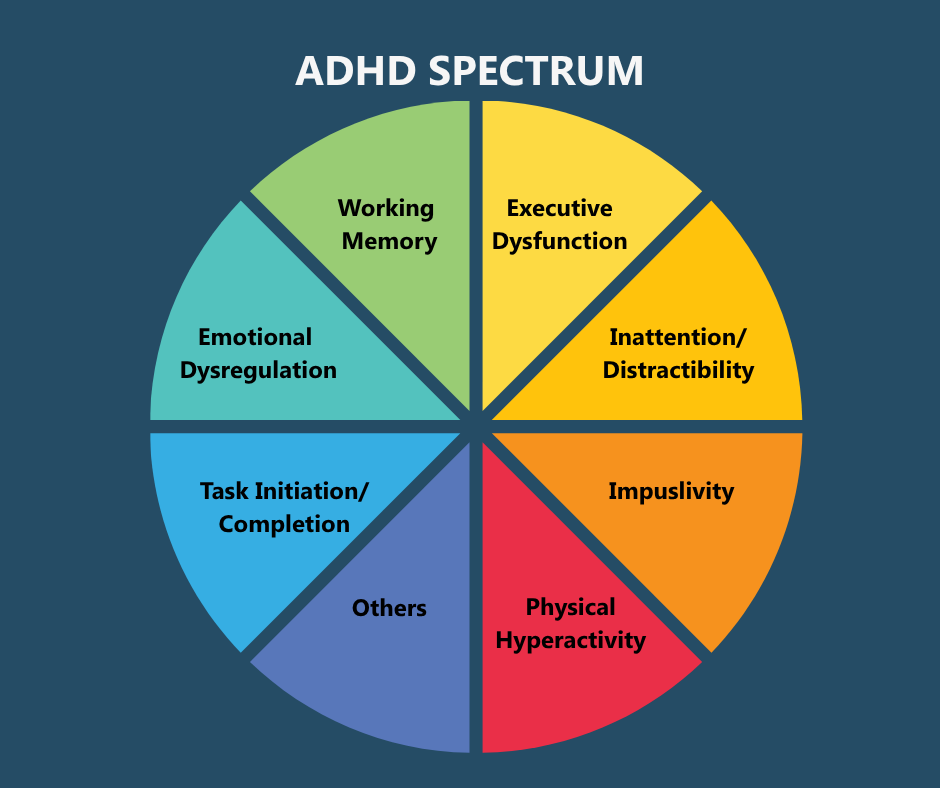
Is ADHD a disability? It can be, especially when ADHD symptoms significantly interfere with a person’s ability to function at school, work, home, or in social situations. However, is ADHD a learning disability, and is ADHD a mental disability? These questions are often confused because ADHD affects attention, organization, memory, behavior, and executive functioning. Yet, it does not fit neatly into the same category as conditions such as dyslexia or intellectual disability.
ADHD, or attention-deficit/hyperactivity disorder, is clinically classified as a neurodevelopmental disorder. Symptoms begin during childhood and can continue into adulthood, although the way ADHD affects a person can change over time.
At the same time, ADHD can qualify as a disability when the condition causes significant functional limitations. In fact, Canada’s federal guidance specifically identifies ADHD among neurodevelopmental disabilities and recognizes that it can affect focus, behavior, organization, impulse control, and the ability to follow routines.
Is ADHD a Disability?
Yes, ADHD is a disability when its symptoms create meaningful limitations in important areas of life.
A disability does not necessarily involve a visible physical impairment. Instead, disability can involve limitations in thinking, remembering, learning, communicating, mental functioning, social interaction, or other activities. The CDC describes disability using three related concepts: impairment, activity limitation, and participation restriction.
ADHD can affect several of these areas.
For example, a person with significant ADHD may have difficulty:
- Maintaining attention during lengthy tasks
- Remembering instructions
- Organizing work
- Managing time
- Starting tasks
- Completing tasks
- Controlling impulses
- Following routines
- Managing competing priorities
- Remaining focused despite distractions
Consequently, ADHD can interfere with education, employment, relationships, household responsibilities, and other everyday activities.
However, having ADHD does not automatically mean that a person has a disability for every legal, workplace, educational, or benefits-related purpose. The degree of impairment matters.
Someone may have ADHD but manage symptoms effectively with treatment and coping strategies. Another person may experience substantial limitations despite treatment and therefore require accommodations.
That is why the better question is not simply whether ADHD is a disability, but rather:
How much does ADHD interfere with the person’s ability to function?
What Falls Under the Definition of Disability?
When people hear the word disability, they often think about conditions affecting mobility, vision, or hearing. However, disability encompasses much more.
Disabilities can affect:
- Physical functioning
- Thinking
- Memory
- Concentration
- Learning
- Communication
- Mental health
- Emotional regulation
- Behavior
- Social interaction
- Daily activities
Therefore, a person does not have to use a wheelchair, have a visible physical condition, or require assistance with basic activities to have a disability.
ADHD primarily affects brain-based functions involved in attention, impulse control, organization, and self-regulation. Consequently, a person can appear completely healthy while experiencing substantial limitations that others cannot see.
Canada’s federal guidance places ADHD within neurodevelopmental disabilities. It explains that neurodevelopmental disabilities can affect thinking and learning, communication, social interaction, behavior, and emotional regulation.
Is ADHD a Mental Disability?
The answer requires some clarification. Clinically, ADHD is classified as a neurodevelopmental disorder, rather than being classified as a mental illness, and this distinction matters.
Neurodevelopmental disorders begin during the developmental period and involve differences in how the brain develops and functions. It typically begins during childhood, although some people do not receive a diagnosis until adolescence or adulthood.
Nevertheless, ADHD can produce limitations involving mental and cognitive functioning.
For example, someone with this condition may struggle with:
- Sustained attention
- Working memory
- Planning
- Organization
- Time management
- Impulse control
- Task initiation
- Task completion
Therefore, when people ask if ADHD is a mental disability, the most accurate answer is, it is a neurodevelopmental disorder that can result in disability as a result of its effects on cognitive and behavioral functioning.
This distinction also prevents common misunderstanding. Calling ADHD a disability does not mean that the person has an intellectual disability or that they lack intelligence. In fact, it can occur in people with a wide range of intellectual abilities.
Is ADHD a Learning Disability?
Generally, ADHD and specific learning disabilities are different conditions. A learning disability usually involves persistent difficulty with specific academic skills, such as reading, writing, or solving math problems.
ADHD primarily involves difficulties with attention, impulse control, activity regulation, and executive functioning. Therefore, people wonder is it a learning disability? Not in the specific diagnostic sense. However, it can have a major effect on learning.
A student with ADHD may understand the lesson but fail to complete the assignment. Another student may know the material but lose concentration during an examination. Someone else may repeatedly forget deadlines despite having the academic ability to complete the work.
As a result, this condition can produce academic difficulties without being a specific learning disability.
The CDC also emphasizes the importance of distinguishing ADHD from learning disorders because children can have both conditions together, and .can make school performance difficult.

ADHD and Learning Disabilities Can Occur Together
The distinction becomes even more important because ADHD and learning disabilities can coexist. For example, a child may have ADHD and dyslexia at the same time. In that situation, ADHD may contribute to difficulty sustaining attention, organizing assignments, and completing tasks. Meanwhile, dyslexia may specifically affect reading. These two conditions can therefore create overlapping problems. This explains why simply saying is ADHD a learning disability does not provide enough information when a student struggles academically.
A proper assessment should consider whether one condition explains the difficulties, whether a separate learning disorder exists, or whether both conditions contribute to the problem.
Canadian guidance also recognizes that ADHD can affect functions that overlap with those affected by learning disabilities, including reading, written language, mathematics, and information processing. However, that overlap does not make the condition itself a learning disability.
Is ADHD a Long-Term Disability?
Yes, it can be long-term.
The condition begins during childhood and frequently continues into adulthood. However, symptoms can change with age. For example, a child may exhibit obvious hyperactivity and impulsivity. As that person grows older, overt hyperactivity may become less noticeable while difficulties with organization, time management, attention, and task completion remain. The CDC confirms that ADHD symptoms can continue into adulthood and may look different as people age. However, long-term does not mean permanently disabling for every person.
Some people develop effective coping mechanisms and function well with treatment and appropriate environmental support. Others continue to experience significant impairment that affects employment, education, relationships, or independent living.
Therefore, is ADHD a disability cannot be determined simply by asking whether ADHD lasts a long time. The severity and functional consequences matter.
How Do People With ADHD Mask Their Symptoms?
ADHD symptoms are often subtle or internal, so you cannot reliably identify whether someone has this condition just by observing them.
Moreover, people with ADHD may develop extensive strategies to compensate for their symptoms.
For example, someone might use:
- Multiple alarms
- Digital calendars
- Written checklists
- Phone reminders
- Strict routines
- Color-coded schedules
- Time-tracking applications
- Noise-canceling headphones
- Written instructions
- Repeated checking of completed work
At first glance, these strategies can make someone appear highly organized. However, the amount of effort required to maintain these systems can be considerable.
What Does Masking Look Like?
Masking can take different forms. Some people deliberately hide behaviors they believe others will judge negatively. For example, someone may suppress the urge to move around during a meeting, avoid interrupting others, or remain quiet despite having difficulty following the conversation. Others compensate by becoming extremely structured. They may constantly check their calendar because they are afraid of forgetting an appointment. Likewise, they may arrive early because they know that estimating travel time is difficult. Some one the other hand may read emails repeatedly because they worry they missed an important detail.
Consequently, people around them may see only the compensation and not the underlying difficulty. Canadian guidance specifically recognizes that ADHD may be difficult to identify because the disability is not necessarily evident and can involve complex functional limitations.
Can Someone With ADHD Be Highly Successful?
Yes. ADHD does not determine intelligence, professional ability, creativity, or potential. A person with this condition can become a physician, lawyer, engineer, teacher, entrepreneur, researcher, artist, or professional in virtually any field. However, success does not automatically mean that ADHD has no functional impact. Someone may succeed because they have found an environment that matches their strengths. Another person may rely on medication, routines, assistants, calendars, reminders, flexible scheduling, or other accommodations.
In other words, a person’s achievements and their disability status are not necessarily conflicting.
How ADHD Can Affect Work
ADHD can interfere with employment in several ways. A person may have difficulty prioritizing tasks, remembering meetings, switching between assignments, managing deadlines, or maintaining concentration during repetitive work. However, workplace difficulties vary considerably. Some people with this condition perform particularly well in fast-paced environments that offer novelty, problem-solving, creativity, and frequent task changes. Others may function better with predictable routines and clearly defined expectations.
Therefore, accommodations should address the individual’s actual limitations rather than rely on assumptions. Canadian public-service guidance, for example, recommends evaluating the specific functional limitations of a person with ADHD before determining appropriate accommodations. Depending on the situation, accommodations may include reducing distractions, providing additional time, breaking longer tasks into shorter segments, or clarifying instructions.
What Support Can Help People With This Condition?
Once clinicians identify the areas affected by ADHD, treatment can focus on improving both symptoms and daily functioning.
Depending on the individual, support may include:
- Medication
- Behavioral interventions
- Psychotherapy
- Cognitive behavioral strategies
- Structured routines
- Organizational systems
- Time-management strategies
- Academic accommodations
- Workplace accommodations
- Environmental modifications
The goal is not simply to make someone behave differently. Instead, effective management of this condition should help the person function more consistently and participate more effectively in daily life.
This distinction becomes especially important when exploring is ADHD a disability in adults who have learned to compensate for their symptoms. The need for support often becomes clearer when clinicians look at what a person can accomplish independently, what requires substantial compensation, and what continues to cause problems despite appropriate treatment.
The Difference Between ADHD, Mental Disability, and Learning Disability
The easiest way to understand the distinction is to separate the concepts.
ADHD: A neurodevelopmental disorder that primarily affects attention, impulse control, activity regulation, and executive functioning.
Is ADHD a disability? It can be, when it substantially limits functioning.
These distinctions matter because diagnosis, treatment, educational support, workplace accommodations, and disability benefits may use different criteria.
Specific learning disability: A condition involving persistent difficulties with particular academic skills, such as reading, writing, or mathematics.
Disability: A broader concept involving an impairment that can limit activities or participation.
Therefore, is ADHD a learning disability? Not specifically.
Is ADHD a mental disability? Clinically, it is more accurately described as a neurodevelopmental disorder, although it can cause cognitive and behavioral impairments that qualify as a disability under applicable frameworks.
Conclusion
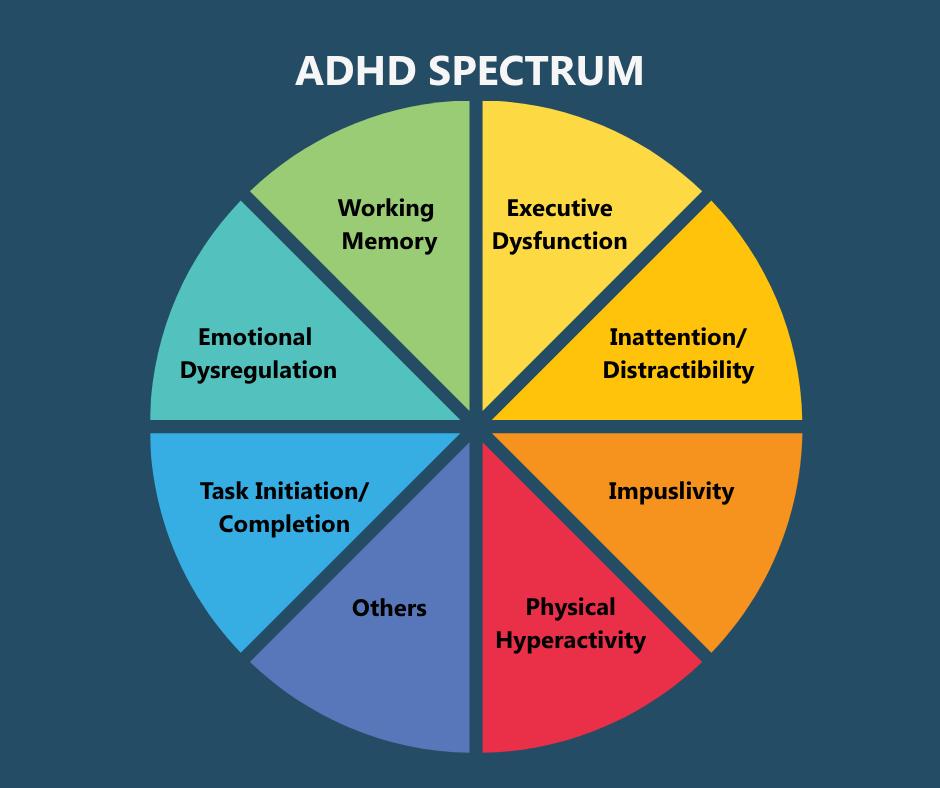
Attention-deficit/hyperactivity disorder exists on a spectrum defined by varying symptom combinations, presentations, and severity levels rather than a simple present-or-absent binary. It can be a disability when its symptoms create significant and persistent limitations in everyday functioning. However, a positive diagnosis does not automatically mean that every person with ADHD meets every legal or administrative definition of disability.
From a medical perspective, one of the most important things to remember is that ADHD should be assessed by its functional impact, not its appearance.
A person may look organized, successful, intelligent, and highly productive while using considerable effort to compensate for ADHD symptoms. Conversely, another person may have relatively mild symptoms that do not significantly interfere with daily life.
Therefore, when considering is ADHD a disability, look beyond the diagnosis itself. Ask how the symptoms affect education, employment, relationships, organization, time management, concentration, and independent functioning.
Also, if someone struggles academically, do not automatically assume that ADHD explains everything. A careful assessment can identify the right reason.
