
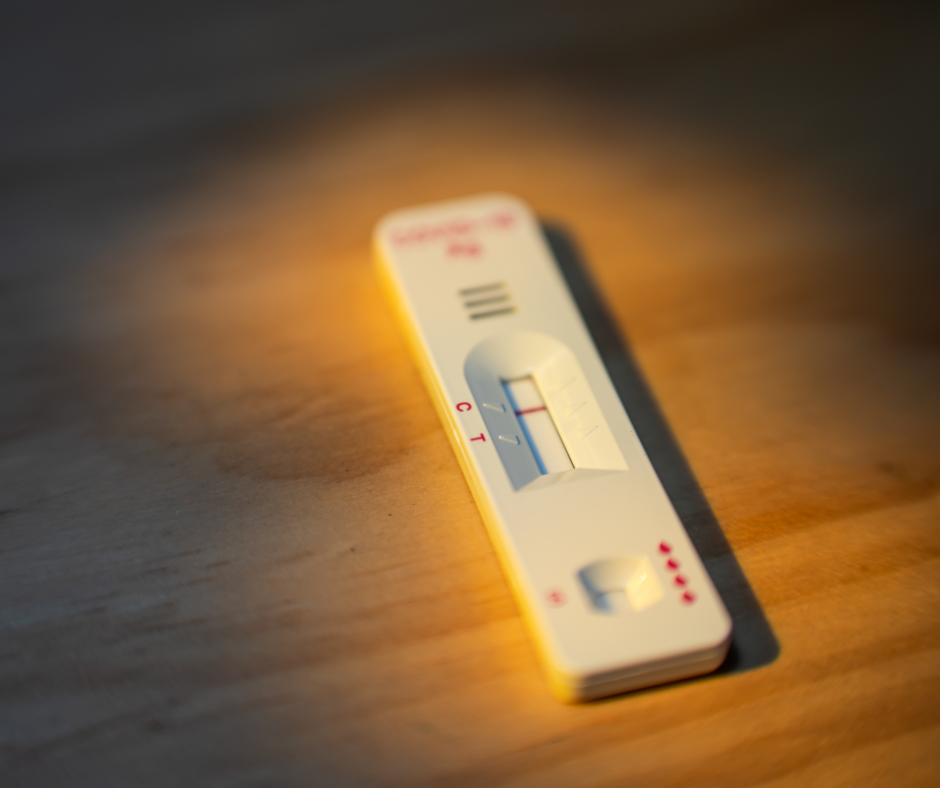
Many people put off sexual health screening simply because they do not know what to expect. A frequent concern physicians hear from patients is, “How long does an STD test screening take, and how long will I have to wait for my results?” Waiting for laboratory findings can feel stressful, but understanding the timeline helps ease anxiety and allows you to plan your STD testing effectively.
Routine sexually transmitted disease (STD) testing—also referred to as sexually transmitted infection (STI) testing—is one of the most effective and straightforward investments you can make in your sexual health. Many common infections, including chlamydia, gonorrhea, human papillomavirus (HPV), and early-stage HIV, can develop silently without causing noticeable symptoms.
Regular screening allows healthcare providers to detect infections early, initiate prompt treatment, prevent long-term complications like pelvic inflammatory disease or infertility, and protect the partner’s health. STD testing is not just for individuals with new symptoms. Even sexually active adults, individuals with multiple partners, pregnant people, and anyone starting a new relationship can benefit from regular evaluation.
This guide explains how long an STD test takes at the clinic, typical turnaround times for different types of tests, key incubation windows, and options for fast, accessible testing.
Why Is STD Screening Important?
Your body does not always show immediate signs when exposed to a sexually transmitted infection.
Regular STD testing can detect:
- Chlamydia and gonorrhea before pelvic or reproductive complications occur
- Human Immunodeficiency Virus (HIV) early, allowing for timely antiretroviral therapy
- Syphilis in early stages before cardiovascular or neurological damage develops
- Hepatitis B and C before liver inflammation leads to long-term scarring
- Trichomoniasis and bacterial vaginosis to quickly resolve discomfort
- Human Papillomavirus (HPV) to monitor cellular changes that could lead to cervical cancer
- Herpes simplex virus (HSV) to help manage potential outbreaks
Early STD screening and detection frequently means treatment is straightforward, highly effective, and prevents transmission to partners.
Preventing infection complications and breaking the chain of transmission is always preferable to treating severe symptoms later.
Who Should Get An STD screening?
Almost any sexually active person benefits from routine screening, though testing frequency depends on lifestyle, age, and medical history.
Regular STD screening is especially recommended for:
- Sexually active individuals starting a new relationship
- Anyone with a partner who tested positive for an STI, Sexually Transmitted Infection
- Individuals with multiple or casual sexual partners
- Sexually active women under 25 (annually for chlamydia and gonorrhea)
- Pregnant people during early prenatal care
- Men who have sex with men (MSM)
- Individuals who do not consistently use barrier protection
- Anyone experiencing symptoms like unusual discharge, burning during urination, or sores
Even if you feel completely healthy, establishing a baseline screening routine ensures peace of mind.
Common STD Test Screening Doctors Commonly Recommend
Chlamydia and Gonorrhea urine or swab tests are standard screenings
Chlamydia and gonorrhea are two of the most common bacterial STIs.
Testing typically involves:
- A simple urine sample
- Vaginal, cervical, urethral, rectal, or throat swabs
Doctors use these tests to identify active bacterial infections, even when asymptomatic.
Including STD testing for HIV in routine health panels evaluates viral immunity
An STD testing for HIV checks for the presence of the virus or antibodies produced by your immune system.
STD test screening assesses:
- HIV-1 and HIV-2 antibodies
- p24 antigens (in 4th-generation combination blood tests)
- Viral RNA (in nucleic acid amplification testing)
Early detection and immediate initiation of antiretroviral therapy allow individuals living with HIV to maintain normal life expectancies.
STD blood test for Syphilis identifies silent bacterial stages
Syphilis progresses in distinct stages, often starting with a painless sore.
STD blood test requires:
- Serological blood tests (such as RPR or VDRL)
- Confirmatory antibody testing (TP-PA or FTA-ABS)
Many patients in the primary or secondary stages have non-specific symptoms that are easily overlooked.
Viral Hepatitis tests measure liver exposure
Hepatitis B and C target liver function and are spread through blood and body fluids.
Routine panels measure:
- Hepatitis B surface antigen (HBsAg)
- Hepatitis C virus antibodies (Anti-HCV)
Prompt identification allows for effective antiviral management or curative treatment for Hepatitis C.
Herpes Simplex Virus (HSV) evaluation
Herpes screening is typically performed when symptoms are present.
Testing options include:
- Direct swab of an active sore or lesion (culture or PCR)
- Type-specific IgG blood tests for HSV-1 and HSV-2
Swabbing an active sore provides the most accurate confirmation.
How Long Does an STD Test Take? Typical Result Timelines
The time spent at the clinic for an STD appointment is usually brief. In general, it takes only 15 to 30 minutes for sample collection. However, receiving your lab results depends on the specific test used, the testing method, and whether rapid point-of-care options are available.
| STD Screening Test Type | Typical Sample Required | Rapid Result Option Time | Standard Lab Result Timeline |
| Rapid HIV Test | Fingerstick blood or oral fluid | 10–30 minutes | 1–3 business days |
| Standard HIV Test (4th Gen) | Venous blood draw | N/A | 1–3 business days |
| Chlamydia & Gonorrhea | Urine or localized swab | 30 minutes (select clinics) | 2–5 business days |
| Syphilis | Venous blood draw | 15–20 minutes (select rapid tests) | 2–5 business days |
| Hepatitis B & C | Venous blood draw | 15–30 minutes (select rapid HCV) | 2–5 business days |
| Herpes (Active Sore Swab) | Lesion swab | N/A | 1–3 business days |
| Herpes (IgG Blood Test) | Venous blood draw | N/A | 3–5 business days |
| Trichomoniasis | Urine or vaginal swab | 10–15 minutes (select rapid tests) | 2–4 business days |
Keep in mind that turnaround times can vary depending on whether samples are processed in an in-house lab or sent to a third-party reference laboratory.
What Doctors Don’t Usually Tell Patients About STD Screening
Timing Matters: Understanding the Incubation Window for an ideal STD test screening result
One of the most crucial facts patients often miss is that testing immediately after exposure does not always provide an accurate answer. Every infection has an “incubation window”—the timeframe between exposure and when the STD screening test can reliably detect the virus or bacteria.
If you ask yourself, how long after sex can you test for STD infections, remember these general windows:
- Chlamydia & Gonorrhea: 1 to 2 weeks post-exposure
- Syphilis: 3 to 6 weeks post-exposure
- HIV (4th Gen Blood Test): 2 to 6 weeks post-exposure
- Hepatitis B & C: 6 to 12 weeks post-exposure
- Herpes (IgG Blood Test): 12 to 16 weeks post-exposure
However, testing too early within this window can lead to a false-negative result. If you believe you were exposed recently, your doctor may advise testing now and repeating the test once the full window period has elapsed.
Local STI Testing- Where Can I Get an STD Screening Test in Winnipeg?
Finding confidential and convenient testing options is simpler than many expect. If you are wondering where can I get a local STI testing in Winnipeg, several reliable venues exist:
- Primary Care Physicians: Most primary care physicians including your family doctor can arrange comprehensive panels during annual exams. For example, Express Medical Care helps you with STD test screening after an in-person conversation. Additionally, you can also walk in for an appointment.
- Community & Sexual Health Clinics: Provide low-cost or sliding-scale screening (e.g., local health departments, Planned Parenthood).
- Urgent Care & Walk-In Clinics: Provide fast, discreet appointments with minimal wait times.
- Finally, you can use the at-Home STD Testing Collection Kits: They allow you to collect samples at home and mail them to certified laboratories.
Can I Get an STD Test at a Walk In Clinic?
Yes, absolutely. Patients frequently ask, can I get an STD test at a walk in clinic in Winnipeg without scheduling an appointment in advance? Yes. In brief, most urgent care centers and walk-in clinics in Winnipeg routinely provide confidential STI testing. They are an excellent option if you need quick sample collection, are experiencing acute symptoms, or require rapid testing options without waiting for a referral from a primary doctor.
How to Prepare for Your STD Test
Proper preparation helps ensure your sample yields accurate, unambiguous results:
- Avoid Urinating: Hold your urine for at least 1 to 2 hours before a urine-based chlamydia or gonorrhea test.
- Do Not Wash or Douche: Avoid douching, applying topical creams, or washing the genital region right before a physical exam or swab test.
- Avoid Sex Before Swabs: Refrain from vaginal, anal, or oral intercourse shortly before taking localized swab samples.
- Track Your Timeline: Know the date of your last potential exposure so your provider can select the right test.
- Finally, Bring Relevant History: Be open about symptoms, partner history, and medications.
When Might You Need STD Screening More Often?
Certain individuals and circumstances require a more frequent std testing schedule, such as:
- Having new or multiple sexual partners
- Partner notification of a confirmed STI exposure
- Experiencing active symptoms (sores, burning, discharge, pelvic pain)
- Pregnancy (screening during the first trimester and late third trimester)
- Pre-exposure prophylaxis (PrEP) use for HIV prevention (requires quarterly screening)
- Follow-up testing (3 months after treatment to confirm cure or check for re-infection)
Your provider can help tailor a screening interval appropriate for your personal health profile.
In conclusion, understanding how long an STD test takes—both during sample collection and while waiting for lab results—helps remove the mystery and discomfort surrounding sexual health care. Clinic appointments take under 30 minutes, so the visit stays quick. Additionally, many results return within 1 to 5 days, making testing a manageable and rewarding preventive habit.
From a medical perspective, the primary goal of routine STI screening isn’t just treating active disease. Rather, it is preserving long-term wellness and peace of mind. Therefore, partnering with a healthcare provider, visiting a walk-in clinic, or visiting local community resources gives you control over your sexual health. Rather than waiting for symptoms to appear, integrating regular screening into your healthcare routine ensures early detection and prompt peace of mind.
Estimated reading time: 10 minutes
Key Takeaways
- Understanding STD screening helps reduce anxiety about testing timelines and result waiting periods.
- Routine STD screening detects infections early, preventing complications and protecting partners’ health.
- Sexually active individuals, especially those starting new relationships or with multiple partners, should prioritize regular screening.
- Testing involves various methods, including urine samples and blood tests, with results typically available in 1 to 5 days.
- Preparation for STD testing is crucial; avoid urinating and sexual activity before tests for accurate results.
Frequently Asked Questions About STD Screening
The clinic visit itself usually takes between 15 and 30 minutes for registration, a brief evaluation, and sample collection. If the clinic offers point-of-care rapid testing (such as rapid HIV or rapid syphilis tests), you may receive those results before leaving. Standard lab tests are sent out and typically take 2 to 5 business days.
No. Blood tests rely on detecting antibodies, antigens, or viral particles, which take time to accumulate to detectable levels in your bloodstream. Testing during the infection’s incubation window may result in a false negative, requiring re-testing after the window period has passed.
Do not panic. Most bacterial STIs (like chlamydia, gonorrhea, and syphilis) are easily cured with standard antibiotics. Viral infections (like HIV or herpes) can be effectively managed with modern antiviral medications. Contact your healthcare provider immediately to receive appropriate treatment, refrain from sexual activity until cleared, and inform recent partners so they can also seek evaluation.
Rapid point-of-care tests for conditions like HIV and Hepatitis C are highly accurate when used outside their window periods. However, standard laboratory processing (such as PCR or nucleic acid amplification testing) remains the gold standard for detecting low levels of bacteria or viruses in early stages.
The most common mistake is getting tested immediately after a potential exposure and assuming a negative result means they are clear. Because of the incubation window, testing too soon can miss an early infection. Discussing the exact timing of exposure with your healthcare provider ensures tests are administered at the right time.
