

Tick bite treatment to prevent Lyme disease: Manitoba is experiencing a noticeable increase in Lyme disease cases this year, a trend that mirrors the growing population of blacklegged ticks (commonly called deer ticks) across the province. Public health officials have linked this increase to favorable environmental conditions, including warmer temperatures, increased spring rainfall, higher humidity, and longer growing seasons that allow ticks to survive, reproduce, and spread into new areas. As physicians, we have noticed people either dismiss tick bites as harmless or panic immediately after finding one. Neither reaction is ideal. Most tick bites do not result in Lyme disease, but knowing how to respond quickly can significantly reduce your risk of infection. Understanding proper tick-bite treatment to prevent Lyme disease, recognizing early Lyme disease symptoms, and knowing when to seek medical care can make all the difference.
For many Winnipeggers, especially those living in the Kildonan area, a walk through Kildonan Park, a hike along Bunn’s Creek, or simply gardening in the backyard has become a little riskier than it was a decade ago. Residents in Elmwood, East Kildonan, North Kildonan, and neighborhoods bordering the Red River have increasingly reported finding ticks in parks, trails, and even residential yards. While many of these are harmless wood ticks, blacklegged ticks deserve particular attention because they can carry the bacteria responsible for Lyme disease.
Why Are Lyme Disease Cases Increasing in Manitoba?
Lyme disease develops when infected blacklegged ticks (Ixodes scapularis) transmit the bacterium Borrelia burgdorferi through their bite. Unlike wood ticks, blacklegged ticks are much smaller and often go unnoticed because they can be no larger than a poppy seed during their immature stages.
Several environmental factors have contributed to the increasing number of cases throughout Manitoba.
Warmer Winters Improve Tick Survival
Historically, Manitoba’s harsh winters naturally reduced tick populations. However, milder winters over recent years have allowed more ticks to survive until spring, increasing the number of active ticks searching for hosts.
Increase in Rainfall and Humidity
Ticks require moist environments to survive. The wetter-than-average spring and early summer experienced across Manitoba created ideal humidity levels within forests, tall grass, leaf litter, and riverbanks.
Dry environments quickly dehydrate ticks, whereas humid conditions allow them to remain active longer as they wait for passing animals or humans.
Expanding Wildlife Populations
White-tailed deer, mice, squirrels, and migratory birds all contribute to the spread of ticks. Deer are particularly important because they transport adult ticks over long distances, allowing populations to establish themselves in new communities throughout southern Manitoba.
Longer Outdoor Seasons
With warmer temperatures arriving earlier each spring, Manitobans are spending more time outdoors. Hiking, camping, fishing, gardening, golfing, and walking with pets all increase the risk of human-tick contact.
Together, these environmental changes explain why public health officials continue to observe a steady increase in Lyme disease cases throughout the province.
Where Are Blacklegged Ticks Found in Winnipeg?
Many people assume tick bites only occur during camping trips in remote forests. In reality, blacklegged ticks can be found surprisingly close to home.
Areas in North Kildonan where residents commonly encounter ticks include:
- Elmwood neighborhoods
- East and North Kildonan
- Chief Peguis Trail walking paths
- Bunn’s Creek trails
- Kildonan Park
- Long grass bordering the Red River
- Residential yards adjacent to wooded areas
- Dog parks and natural green spaces
Remember that not every tick is a blacklegged tick. Manitoba also has wood ticks, which are much larger and generally do not transmit Lyme disease. Correct identification is important because management recommendations vary by tick species.
Understanding Lyme Disease Symptoms
Lyme disease symptoms develops when an infected blacklegged tick remains attached long enough to transmit Borrelia burgdorferi into the bloodstream. Fortunately, transmission usually requires prolonged attachment, often over 24 to 36 hours, which is why prompt tick removal remains one of the most effective tick bite treatment to prevent Lyme disease
Once inside the body, the bacteria may spread from the skin to joints, the nervous system, and sometimes the heart if left untreated.
Early recognition remains the key to preventing these more serious complications.
Know The Early Lyme Disease Symptoms To Identify the Best tick bite treatment to prevent Lyme disease
To identify the best tick bite treatment to prevent Lyme disease you should know about the early symptoms. The earliest Lyme disease symptoms often appear between 3 and 30 days after a tick bite.
One of the most recognizable Lyme disease symptoms is an expanding rash called erythema migrans. We also know them as a bull’s-eye rash. However, not everyone develops this classic appearance, and relying solely on the rash may delay diagnosis.
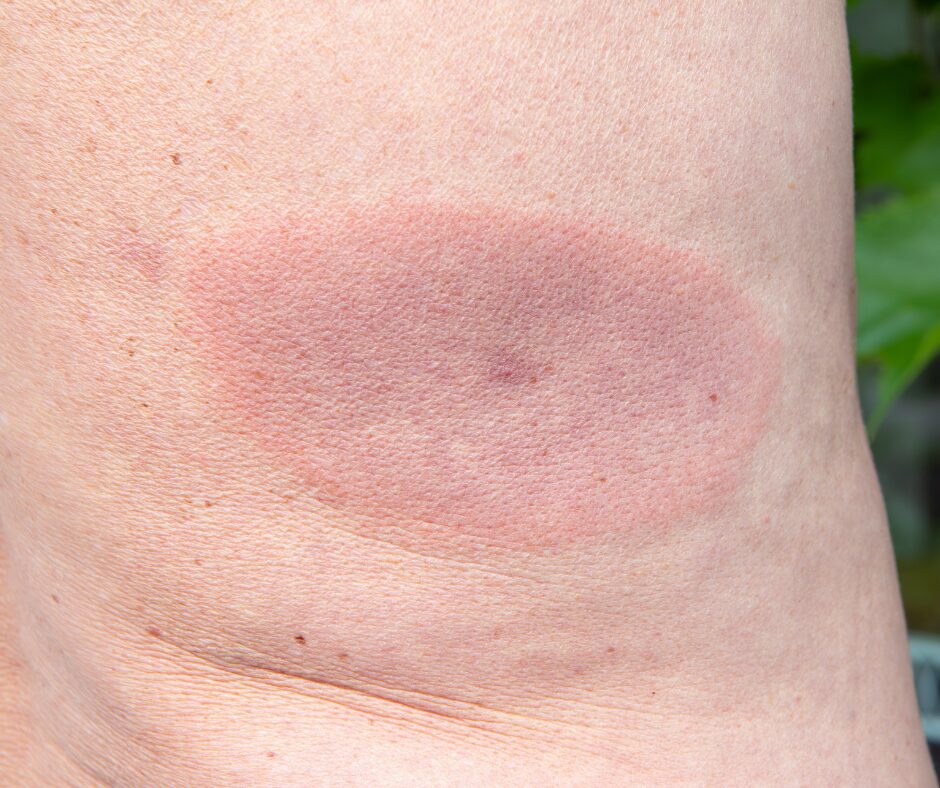
Common Lyme Disease Symptoms
- Fever
- Chills
- Fatigue
- Headache
- Neck stiffness
- Muscle aches
- Joint pain
- Swollen lymph nodes
Because these symptoms resemble influenza or a viral illness, many patients initially ignore them or assume they have a seasonal infection.
Advanced Lyme Disease Symptoms
If untreated, Lyme disease can progress over weeks or months.
Here’s a list of advanced manifestation:
Advanced Lyme Disease Symptoms Include Neurological problems
Patients may develop facial paralysis (Bell’s palsy), numbness, tingling, meningitis-like symptoms, or nerve pain.
Heart Involvement
Lyme carditis can cause dizziness, chest discomfort, palpitations, fainting episodes, or abnormal heart rhythms.
Arthritis
Intermittent swelling, particularly affecting the knees, is one of the most common late complications.
The encouraging news is that early diagnosis and treatment significantly reduce the likelihood of developing these complications.
Tick Bite and Lyme Disease Prevention at Home
Most uncomplicated tick bites require only basic wound care.
Helpful measures include:
- Washing the area daily
- Applying a cool compress if mild swelling develops
- Avoiding scratching
- Monitoring for expanding redness
- Taking photographs if skin changes occur
Home remedies cannot prevent Lyme disease once transmission has occurred, but they can reduce discomfort while you monitor for symptoms.
Lyme Disease Prevention Steps After a Tick Bite
Many patients ask their physicians whether they should immediately start antibiotics after every tick bite.
The answer is no.
Most tick bites do not require preventive antibiotics. Instead, the first step is proper tick removal and assessment.
- Step 1: Remove the Tick Properly
Use fine-tipped tweezers.
Grasp the tick as close to the skin as possible.
Pull upward slowly with steady pressure.
Avoid twisting, crushing, or squeezing the tick’s body, as this may increase contamination at the bite site.
Do not use petroleum jelly, nail polish, alcohol, heat, or burning matches. These methods do not help the tick detach safely and may increase irritation. - Step 2: Clean the Bite Area
Wash thoroughly with soap and water.
You can also use an alcohol-based antiseptic or chlorhexidine solution after removal. - Step 3: Save the Tick (If Possible)
Place the tick in a sealed container or plastic bag.
Photographing the tick can also help your healthcare providers with identification. - Step 4: Monitor for Symptoms
Over the next month, observe for:
Rash
Fever
Fatigue
Joint pain
Headaches
Facial weakness
Any of these symptoms should prompt medical evaluation.
When Do We Recommend Preventive Antibiotics?
Doctors preserve preventive antibiotics for selected situations rather than routine use.
Healthcare providers consider several factors, including:
- Whether the tick is confirmed to be a blacklegged tick
- Estimated attachment time
- Time since removal
- Geographic location
- Individual patient risk factors
If these criteria are met, a physician may prescribe preventive antibiotic therapy to reduce the likelihood of Lyme disease.
This decision should always be individualized and based on current Canadian clinical guidelines.
How Doctors Diagnose and Prevent Lyme Disease After a Tick Bite
Diagnosis begins with a careful history.
Physicians ask about:
- Outdoor exposure
- Travel history
- Tick identification
- Duration of attachment
- Timing of symptoms
- Appearance of any rash
Blood testing may be appropriate in certain situations, although very early infection can produce negative results because antibodies have not yet developed. Lyme disease antibody blood tests show the highest accuracy when your immune system has had 4 to 6 weeks to produce detectable antibodies after the infection begins.
Clinical judgment therefore remains extremely important.
Tick Bite Treatment To Prevent Lyme Disease
When diagnosed early, tick bite treatment is not a challenge.
Most uncomplicated infections respond well to oral antibiotics. Clinicians prescribe oral antibiotics such as doxycycline, amoxicillin, or cefuroxime to treat most early tick‑borne infections, especially early Lyme disease. These medications stop Borrelia burgdorferi from multiplying, which allows the immune system to clear the infection effectively.
Patients with neurological complications, heart involvement, or severe disease may require hospitalization and intravenous antibiotics.
The overwhelming majority of patients recover completely when treatment begins promptly.
Prevention remains far easier than treatment.
Simple protective habits include:
- Wearing long sleeves and long pants in wooded areas
- Tucking pants into socks
- Choosing light-colored clothing to spot ticks easily
- Applying insect repellents containing DEET or icaridin
- Wearing permethrin-treated clothing where appropriate
- Staying on maintained trails
- Avoiding tall grass whenever possible
After returning home:
- Perform a full-body tick check.
- Shower within two hours of outdoor activities.
- Check children carefully behind the ears, hairline, underarms, waistline, and behind the knees.
- Examine pets before they enter the house.
Who Is Most at Risk?
Certain individuals experience greater exposure to ticks, including:
- Hikers
- Campers
- Hunters
- Farmers
- Forestry workers
- Landscapers
- Gardeners
- Dog owners
- Children playing outdoors
People who frequently visit forest areas or riverside trails in Winnipeg should be particularly vigilant during spring through early autumn.
A Physician’s Perspective to Tick Bite Treatment and on How To Prevent Lyme Disease
One misconception we encounter regularly is that Lyme disease is rare enough to ignore. While most tick bites remain harmless, the increasing number of infected blacklegged ticks means that prevention deserves much greater attention than it once did.
Fortunately, Lyme disease is also one of the infections where patient education makes an enormous difference. Individuals who know how to remove a tick correctly, recognize early symptoms, and seek medical attention promptly almost always have much better outcomes than those who delay care.
Rather than becoming fearful of spending time outdoors, Manitobans should focus on practical prevention. Parks, trails, and natural spaces remain wonderful places to enjoy our province. A few extra minutes spent checking for ticks after outdoor activities can prevent weeks or months of illness.
In conclusion, as Manitoba experiences rising numbers of Lyme disease cases, awareness has become just as important as tick bite treatment. Warmer temperatures, increased humidity, and expanding blacklegged tick habitats have made encounters more common throughout Winnipeg and surrounding communities.
Knowing the proper tick bite treatment to prevent Lyme disease, recognizing early Lyme disease symptoms, and practicing effective prevention strategies can dramatically reduce the risk of serious illness. If you develop fever, rash, joint pain, or neurological symptoms after a tick bite, seek medical evaluation promptly. Early diagnosis and treatment remain the most effective tools for preventing long-term complications.
Estimated reading time: 10 minutes
Key Takeaways
- Manitoba faces an increase in Lyme disease cases due to a rising population of blacklegged ticks, linked to warmer weather and increased humidity.
- Proper tick bite treatment to prevent Lyme disease includes prompt removal, monitoring for symptoms, and recognizing early Lyme disease symptoms.
- Common symptoms of Lyme disease include fever, fatigue, and joint pain; early recognition is vital for effective treatment.
- Preventive antibiotics are not generally used for tick bites; they are only recommended based on specific criteria related to tick attachment and location.
- Education on tick removal and awareness of tick habitats can significantly reduce the risk of Lyme disease for residents, especially those frequenting outdoor areas.
Frequently Asked Questions
No. In most cases, the tick must remain attached for a prolonged period—typically at least 24 to 36 hours—before Lyme disease transmission becomes likely. Promptly removing a blacklegged tick is one of the most effective ways to reduce your risk of infection.
Currently, there is no approved Lyme disease vaccine available for the general public in Canada. Researchers continue to study new vaccines, but for now, prevention relies on avoiding tick bites, using insect repellents, wearing protective clothing, and performing routine tick checks after spending time outdoors.
Not necessarily. Many tick bites can be managed safely at home with proper tick removal and observation. However, you should seek medical attention if you develop Lyme disease symptoms, notice an expanding rash, experience fever or joint pain, or if your healthcare provider determines that you meet the criteria for preventive antibiotic treatment.
