
Summary- Poor air quality index can become increasingly common during Winnipeg summers due to wildfire smoke, high pollen counts, heat waves, and environmental pollutants. These conditions can trigger allergies, worsen asthma, irritate the eyes and throat, and increase the risk of breathing difficulties, especially in children, older adults, and individuals with heart or lung disease. Let’s understand how to Stay Safe from Poor Air Quality Health Index and valuable tips for tips for poor air quality.
If air quality is poor, limit outdoor activities, keep windows closed, use air conditioning or air purifiers when possible, and monitor local air quality reports. People with asthma or other respiratory conditions should keep their inhalers readily available and follow their prescribed treatment plans.
Summer air quality concerns are not limited to visible smoke. Even on clear days, high pollen levels and airborne particles can trigger symptoms such as sneezing, congestion, itchy eyes, coughing, and shortness of breath.
- Check Winnipeg’s Air Quality Health Index (AQHI) daily.
- Limit outdoor activities during wildfire smoke.
- Keep rescue inhalers available if you have asthma.
- Consider wearing a well-fitting N95 mask during periods of heavy smoke exposure.
- Keep children indoors when air quality reaches unhealthy levels.
- Monitor pollen forecasts during allergy season.
- Use indoor air filtration when possible.
__________________________________
Summer is the most enjoyable seasons in Winnipeg, but it also brings unique environmental health challenges. Rising temperatures, longer growing seasons, increased pollen production, and wildfire smoke from across Canada have made air quality a growing concern for many Manitobans.
Physicians notice a significant increase in patients seeking medical advice for allergy symptoms, asthma flare-ups, chronic cough, sinus congestion, and breathing difficulties during the summer months. Patients ask, “My allergies have never been this bad,” or ask, “Is the air quality safe today?” These concerns are valid because environmental conditions can change rapidly and significantly affect respiratory health.
Understanding local air quality risks and taking proactive measures can help protect you and your family throughout the summer season.
Effects of Poor Air Quality on Our Body
How Poor Air Quality Affects the Body
- Pollutants irritate your airways — They inflame the lining of your nose, throat, and lungs, which makes breathing harder.
- Fine particles enter your lungs — They reach deep into your air sacs and reduce your lungs’ ability to exchange oxygen.
- Your lungs produce more mucus — They try to trap pollutants, which leads to coughing and congestion.
- Your heart works harder — It pumps faster to compensate for reduced oxygen levels in your blood.
- Inflammation spreads through your body — Pollutants trigger immune responses that increase inflammation in multiple organs.
- Blood vessels narrow — They tighten in response to pollutants, which raises blood pressure.
- Your body absorbs toxins — Harmful chemicals enter your bloodstream and strain your liver and kidneys.
- Your eyes and skin react — They become dry, itchy, or irritated when exposed to airborne particles and gases.
- Your immune system weakens — It becomes less effective at fighting infections when pollutants overload it.
- Your brain receives less oxygen — Reduced oxygen and inflammation can impair focus, memory, and mood.
Common Symptoms Caused by Poor Air Quality
- Your nose and throat become irritated — You may feel dryness, burning, or soreness as pollutants inflame the lining of your airways.
- You start coughing more often — Your lungs try to clear out particles, which triggers frequent or persistent coughing.
- You feel short of breath — Pollutants reduce airflow and make breathing feel harder, especially during activity.
- Your chest feels tight — Inflammation in your airways can create pressure or discomfort in your chest.
- Your eyes become watery or itchy — Irritants inflame the surface of your eyes and cause redness or stinging.
- Your skin becomes irritated — Pollutants dry out your skin and may cause itching or sensitivity.
- You feel more tired than usual — Reduced oxygen levels and inflammation can drain your energy.
- You develop headaches — Pollutants and lower oxygen levels can trigger pressure or pain in your head.
- Your allergies flare up — Pollutants amplify your immune response and make allergy symptoms worse.
- Your asthma or COPD symptoms worsen — You may notice more wheezing, coughing, or inhaler use.
Understanding Winnipeg’s Summer Air Quality Index Challenges
Several factors contribute to poor air quality index in Manitoba during the summer.
The most common include:
- Tree, grass, and weed pollen
- Wildfire smoke
- Ground-level ozone
- Fine particulate matter (PM2.5)
- Dust and environmental pollutants
These airborne particles can irritate the respiratory tract, trigger allergic reactions, and worsen existing lung and heart conditions.
Even healthy individuals may experience symptoms when air quality deteriorates significantly.
Manitoba Pollen Season Calendar
Many people assume allergy season lasts only a few weeks. In reality, different plants release pollen throughout much of the year.
Spring (April to June): Tree Pollen Is the Main cause of Poor AQI
Common tree pollens include:
- Birch
- Oak
- Maple
- Poplar
- Elm
Symptoms often include:
- Sneezing
- Runny nose
- Itchy eyes
- Nasal congestion
Early Summer (June to July): Grass Pollen contributes to poor air quality index
Grass pollen is one of the most common allergy triggers in Manitoba.
Common sources include:
- Kentucky bluegrass
- Timothy grass
- Orchard grass
People often experience worsening symptoms after mowing lawns or spending extended time outdoors.
Late Summer to Fall (August to September): Weed Pollen
The primary culprit is ragweed.
Although ragweed is less common in Manitoba than in some other regions, susceptible individuals may experience severe allergy symptoms during late summer and early fall.
Why We Experience Poor Air Quality Health Index and Allergies in Summer
This is one of the most common questions patients ask during the summer.
Several factors may contribute:
Longer Growing Seasons
Warmer temperatures can extend pollen production periods, leading to prolonged allergy symptoms.
Higher Pollen Counts
Climate change may increase plant pollen production, resulting in greater seasonal exposure.
Wildfire Smoke
Smoke particles can irritate the respiratory tract and make allergy symptoms feel significantly worse.
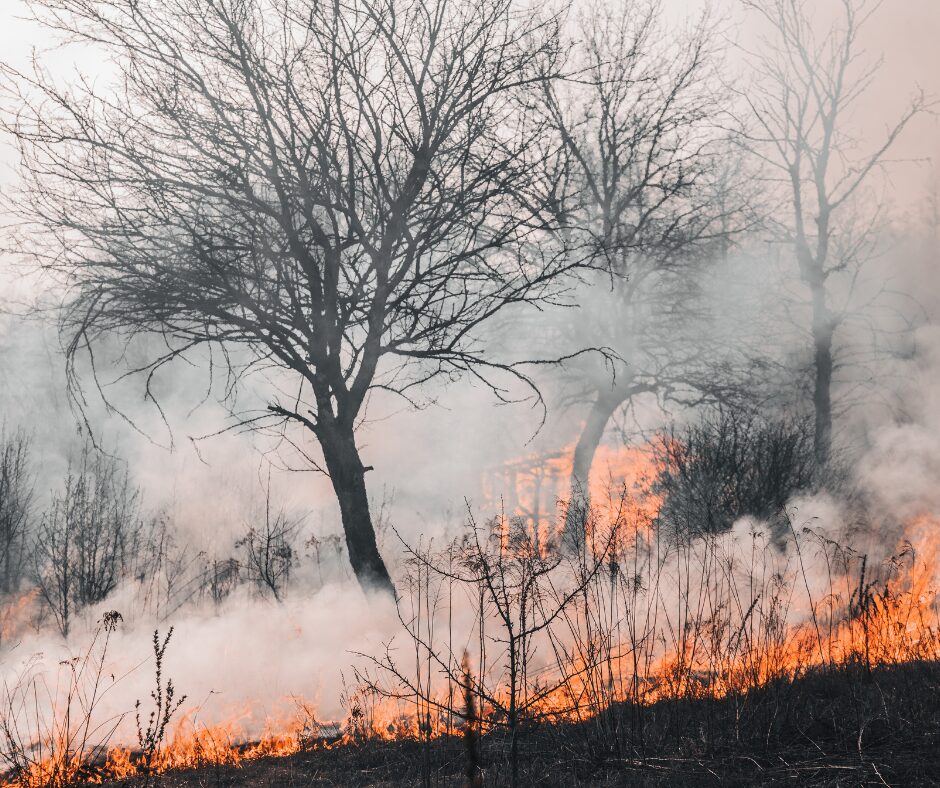
Wildfire smoke has become one of the most important air quality concerns affecting Manitoba.
Smoke contains:
- Fine particulate matter (PM2.5)
- Carbon monoxide
- Volatile organic compounds
- Other respiratory irritants
These tiny particles can travel deep into the lungs and even enter the bloodstream.
Symptoms of Smoke Exposure
- Coughing
- Sore throat
- Eye irritation
- Headaches
- Shortness of breath
- Wheezing
- Chest discomfort
Individuals with asthma, COPD, heart disease, and young children may be particularly vulnerable.
Physicians recommend patients to think of wildfire smoke the same way they would think of severe weather. If conditions are poor, it is usually best to stay indoors whenever possible.
Air Pollution
Pollutants can increase airway inflammation and make individuals more sensitive to allergens.
From a clinical perspective, many patients are not experiencing “new allergies.” Instead, they are experiencing increased exposure to environmental triggers.
How to Know if the Air Quality Safe Today?
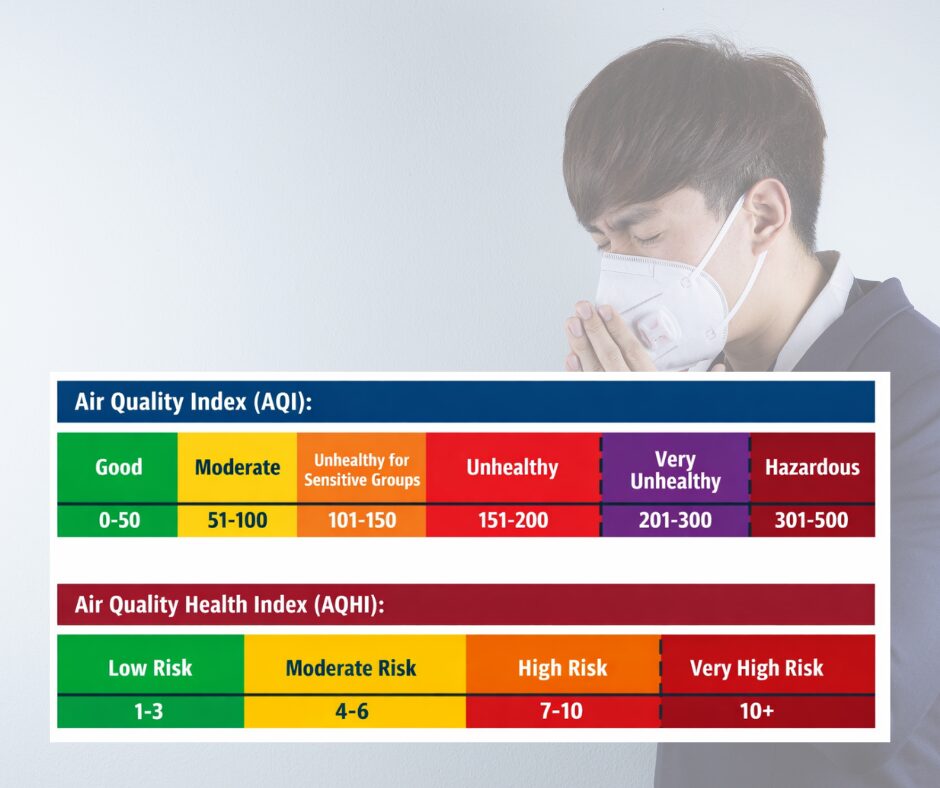
The best way to answer this question is by checking the Air Quality Health Index (AQHI) or AQI (Air Quality Index). .
What is the difference between AQI and AQHI?
AQI and AQHI differ mainly in what they measure and how they express health risk. The core distinction is that AQI measures pollution levels, while AQHI measures the health impact of that pollution.
Key Differences
- AQI — Indicates how polluted the air is or is expected to become. It focuses on pollutant concentrations and forecasts over about 48 hours.
- AQHI — Indicates how the current air quality affects your health, incorporating the combined health risks of multiple pollutants. It uses a 1–10+ scale to show increasing health risk.
AQHI Categories
AQHI Level Health Risk:
1-3 – Low Risk
4-6 – Moderate Risk
7-10 – High Risk
Above 10 – Very High Risk
If you refer to the AQI index, then bear in mind that The Air Quality Index (AQI) categorizes air pollution into six universal levels, which correspond to increasing health risks.
AQI Categories:
0–50 AQI — Air quality is clean to acceptable and poses minimal or no health concerns.
51–100 AQI — Air conditions are moderate. Generally fine for most people, though sensitive individuals (such as those with asthma or heart issues) might notice slight discomfort.
101–150 AQI — Air quality becomes unhealthy for sensitive groups, who may face heightened health effects. The general population is usually unaffected.
151–200 AQI — Air quality reaches a level considered unhealthy. Everyone may start to feel negative health impacts, with sensitive groups experiencing more pronounced symptoms.
201–300 AQI — Air quality is very unhealthy. This level can trigger health alerts, and most people are likely to experience adverse effects.
301+ AQI — Air quality is extremely hazardous. Severe health risks apply to all individuals, and outdoor exposure should be avoided.
When AQHI or AQI reaches high or very high levels:
- Reduce strenuous outdoor activities.
- Limit outdoor exercise.
- Keep windows closed.
- Use air conditioning if available.
- Monitor symptoms closely.
People with respiratory conditions should take additional precautions.
Additional Precautions for People with Respiratory Conditions
- Use a well‑fitted respirator mask — Wear a certified N95 or KN95 outdoors to filter fine particulate matter and reduce airway irritation.
- Switch to indoor exercise — Replace outdoor workouts with low‑intensity indoor activities to avoid triggering symptoms.
- Run a HEPA air purifier — Additionally, use a purifier in the rooms you spend the most time in to lower indoor particulate levels.
- Follow your asthma or COPD action plan — Use prescribed preventer medications consistently and likewise, keep rescue inhalers accessible.
- Track symptoms more frequently — Watch for increased coughing, wheezing, chest tightness, or shortness of breath.
- Avoid additional irritants — Skip candles, incense, vacuuming, or strong cleaning products during high‑pollution periods.
- Stay hydrated — Drink water regularly to keep airways moist and reduce irritation.
- Seek early medical advice — Contact a healthcare provider promptly if symptoms worsen or inhaler use increases.
When Should You Use an Inhaler?
Patients with asthma should always follow their physician’s prescribed asthma action plan.
Generally, increased use of a rescue inhaler may be necessary if symptoms develop during periods of poor air quality.
Warning signs include:
- Wheezing
- Chest tightness
- Persistent coughing
- Shortness of breath
- Reduced exercise tolerance
If symptoms worsen despite inhaler use, seek medical attention promptly.
One common mistake is leaving the inhalers at home during outdoor activities. During wildfire season, we strongly encourage patients with asthma to carry their rescue inhaler whenever they leave the house.
Should You Wear a Mask During Poor Air Quality?
Masks can protect against certain conditions.
Most Effective
N95 respirators provide the best protection against fine smoke particles when properly fitted.
Less Effective
Cloth masks and standard surgical masks offer limited protection against wildfire smoke particles.
Masks may be particularly helpful when:
- AQHI levels are high
- Wildfire smoke is visible
- Outdoor exposure cannot be avoided
Protecting Children During Poor Air Quality
Children are especially vulnerable because they breathe more air relative to their body size and spend more time being physically active outdoors.
Steps Parents Can Take to keep them safe from poor air quality
- Monitor daily AQHI reports.
- Limit outdoor play during high-risk periods.
- Keep windows closed during smoke or wildfire.
- Use indoor air filtration if available.
- Finally, ensure children with asthma have access to prescribed medications.
Many parents worry about keeping children indoors. However, on days with severe smoke exposure, indoor activities are often the safest option.
Improving Indoor Air Quality
Indoor air can be healthier than outdoor air when properly managed.
Consider:
- Keeping windows closed during smoke events
- Using high-efficiency air filters
- Running portable HEPA air purifiers
- Avoiding indoor smoking
- Finally, limiting candles and wood-burning activities
Creating a “clean air room” can be particularly helpful during prolonged wildfire events.
Conclusion
In conclusion, people who best manage summer air quality are those who stay informed, monitor symptoms early, and adjust their activities before severe symptoms develop. For more information on navigating pollution this summer, consult our doctors.
Key Takeaways
- Winnipeg experiences a Poor Air Quality Index during summer due to wildfire smoke, high pollen, and pollutants, which can harm health.
- Symptoms of poor air quality include coughing, eye irritation, and shortness of breath, affecting even healthy individuals.
- To stay safe, limit outdoor activities, use air purifiers, and monitor local air quality reports frequently.
- Children are especially vulnerable; parents should keep them indoors during poor air quality conditions.
- N95 masks provide the best protection against fine smoke particles when outdoors during high pollution days.
Estimated reading time: 11 minutes
Frequently Asked Questions
Can poor air quality affect people without asthma or allergies?
Yes. Even healthy individuals can experience throat irritation, coughing, eye discomfort, headaches, and reduced exercise tolerance during periods of poor air quality. Prolonged exposure to wildfire smoke may affect anyone, regardless of pre-existing medical conditions.
Rain can temporarily reduce airborne pollen and particulate matter by washing particles out of the atmosphere. However, the improvement may be short-lived if smoke or pollen sources remain active in the area.
Many healthy individuals can safely engage in light-to-moderate outdoor activities when AQHI levels are moderate. However, people with asthma, COPD, heart disease, or significant allergies may need to reduce intensity or move activities indoors depending on symptoms.
Yes. Research has shown that exposure to fine particulate matter from wildfire smoke may increase the risk of cardiovascular events, especially in older adults and those with existing heart disease. Therefore, we should take air quality advisories seriously.
For many households, especially those with children, older adults, asthma patients, or individuals with chronic lung disease, a HEPA air purifier can significantly reduce indoor particulate matter levels. Therefore, proper room sizing and regular filter replacement are important for effectiveness.
This happens because pollen levels, temperature changes, indoor allergens, and prolonged daily exposure can all contribute to worsening symptoms in the evening. Some people also experience increased nasal congestion and coughing when lying down, making symptoms feel more severe at bedtime.
