

Drug allergies are one of the most important pieces of information your healthcare provider needs to know before prescribing any medication. While many people use the terms “drug allergy” and “drug side effect” interchangeably, they are very different. Knowing the difference helps prevent unnecessary medication restrictions while protecting patients from potentially serious allergic reactions. A true drug allergy occurs when your immune system mistakenly identifies a medication as harmful and mounts an allergic response. These reactions from common drug allergies can range from a mild skin rash to a life-threatening emergency known as anaphylaxis. Therefore, we have compiled some of the most common drug allergies list, and what they mean.
Understanding common drug allergies isn’t just about knowing which medication caused the reaction. It’s equally important to recognize which related medications, over-the-counter products, and even certain foods or supplements may pose additional risks. Fortunately, having one drug allergy does not mean you’ll be allergic to every medication within that category. Many patients can safely take alternative drugs when prescribed appropriately.

What Is a Drug Allergy?
A drug allergy is an immune-mediated reaction that occurs after exposure to a medication. Unlike predictable side effects such as nausea or drowsiness, allergic reactions occur because the body’s immune system identifies the drug as a foreign substance.
Common symptoms include:
- Hives (urticaria)
- Itchy skin
- Rash
- Facial swelling
- Swollen lips or tongue
- Wheezing
- Difficulty breathing
- Dizziness
- Anaphylaxis
Some allergic reactions occur within minutes, while others may develop several days after starting a medication.
Common Drug Allergies vs. Side Effect
Many patients mistakenly believe they have a drug allergy when they actually experienced a common side effect.
This distinction is important because incorrectly labeling yourself as allergic may unnecessarily limit future treatment options.
Most Common Drug Allergies List
Although virtually any medication can trigger an allergic reaction, several drug classes account for the majority of reported allergies.
| Side Effect | Common Drug Allergies |
| Nausea | Hives |
| Diarrhea | Facial swelling |
| Stomach upset | Difficulty breathing |
| Mild headache | Anaphylaxis |
| Drowsiness | Generalized rash with itching |
These include:
- Penicillin antibiotics
- Cephalosporin antibiotics
- Sulfonamide (“sulfa”) antibiotics
- Aspirin and NSAIDs
- Radiographic contrast dye
- Local anesthetics
- Anticonvulsants
- Lastly, certain chemotherapy drugs
Let’s discuss each in detail on this most common drug allergies list.
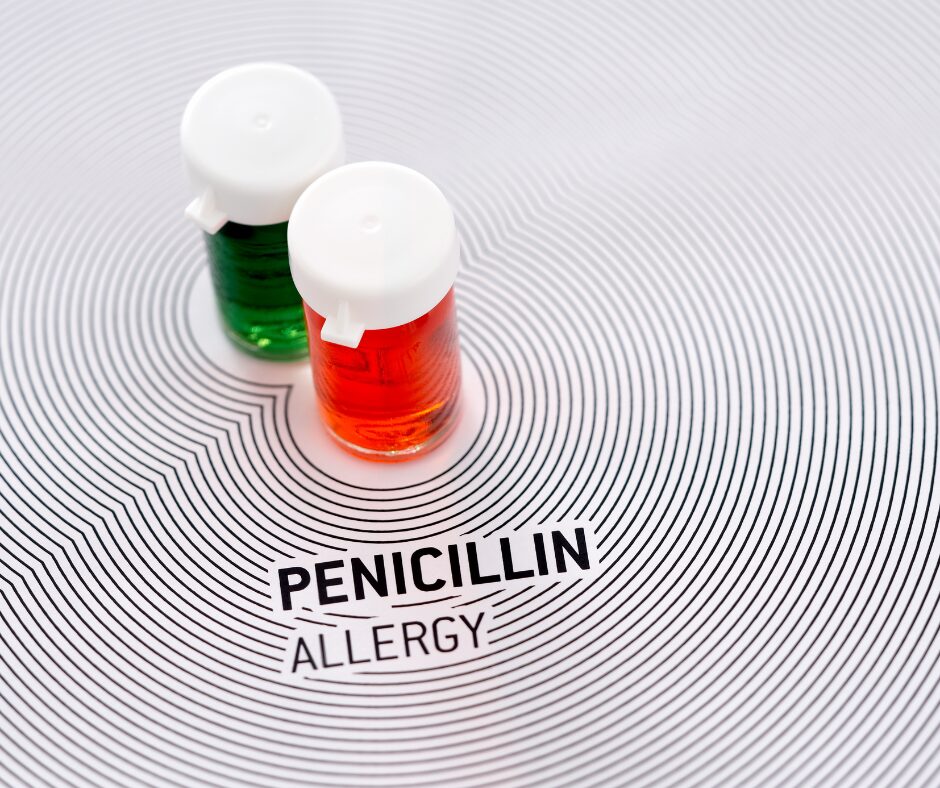
Penicillin Allergy Is One of Most Common Drug Allergies in This List
One of the most common questions physicians hear is, “If I’m allergic to penicillin, what else should I avoid?” The answer isn’t always straightforward. Some medications share similar chemical structures and may trigger cross-reactivity, while others belong to the same family but are perfectly safe..
In brief, Penicillin remains one of the most common drug allergies reported worldwide. Interestingly, research has shown that many people who believe they are allergic to penicillin no longer have a true allergy years later. Nevertheless, every reported allergy should be taken seriously until evaluated by a healthcare professional.
Why Does Penicillin Cause Allergic Reactions?
Penicillin belongs to a family of beta-lactam antibiotics. During an allergic reaction, the immune system produces antibodies against components of the medication, resulting in inflammation and allergy symptoms.
Medications That You May Need To Avoid
Depending on the severity of the allergy, as well as your physician’s assessment, medications that may require caution include:
- Penicillin G
- Penicillin V
- Amoxicillin
- Ampicillin
- Flucloxacillin
- Piperacillin-tazobactam
Certain cephalosporins that share similar side-chain structures may also have a small risk of cross-reactivity, particularly:
- Cephalexin
- Cefaclor
- Cefadroxil
- Cefprozil
However, newer-generation cephalosporins generally have a much lower risk of causing reactions, and many patients with penicillin allergies can safely receive them after appropriate medical evaluation.
Safe Alternatives
Depending on the infection being treated, physicians may consider:
- Azithromycin
- Clarithromycin
- Doxycycline
- Clindamycin
- Levofloxacin (when appropriate)
Nevertheless, the safest alternative depends on the type of infection, patient history, and local antibiotic resistance patterns.
Foods to Avoid?
Unlike food allergies, penicillin allergy does not require avoiding any specific foods. However, patients should be cautious with supplements or medications that may contain antibiotics.
Cephalosporin Drug Allergy
Cephalosporins are another commonly prescribed group of antibiotics.
Examples include:
- Cephalexin
- Cefazolin
- Cefuroxime
- Ceftriaxone
- Cefixime
However, patients with cephalosporin drug allergy are not automatically allergic to all cephalosporins. Cross-reactivity depends largely on similarities in side-chain chemical structures rather than the antibiotic class itself.
Medications to Avoid
Your physician may recommend avoiding cephalosporins with similar side chains to the medication that originally caused your reaction.
Safe Alternatives
Depending on the severity of the allergy:
- Macrolides
- Tetracyclines
- Fluoroquinolones
- Selected penicillins (if appropriate and allergy testing is negative)
Sulfa Drug Allergy
Sulfa drug allergy refers to hypersensitivity to sulfonamide antibiotics rather than sulfur itself.
Common sulfonamide antibiotics include:
- Sulfamethoxazole-trimethoprim (Bactrim®, Septra®)
- Sulfadiazine
- Sulfisoxazole
Why Are Sulfa Drugs Harmful?
In susceptible individuals, sulfonamide antibiotics may trigger severe immune reactions, including:
- Widespread rash
- Stevens-Johnson syndrome
- Toxic epidermal necrolysis
- Drug Reaction with Eosinophilia and Systemic Symptoms (DRESS)
Although rare, these reactions can become medical emergencies.
Medications That May Require Caution
Many patients ask whether they should avoid every medication containing sulfur.
Fortunately, the answer is generally no.
Most people with sulfa antibiotic drug allergies can safely take:
- Sulfate-containing medications
- Sulfite preservatives
- Sulfur-containing foods
Some non-antibiotic sulfonamide medications should still be discussed with your physician, including:
- Hydrochlorothiazide
- Furosemide
- Glyburide
- Celecoxib
Although true cross-reactivity appears uncommon, clinicians often individualize recommendations depending on the patient’s previous reaction.
Safe Alternatives
Alternative antibiotics may include:
- Nitrofurantoin
- Fosfomycin
- Doxycycline
- Amoxicillin (if no penicillin allergy exists)
- Fluoroquinolones when clinically appropriate
Aspirin and NSAID Allergy
Some patients develop allergic reactions after taking:
- Aspirin
- Ibuprofen
- Naproxen
- Diclofenac
- Ketorolac
Symptoms may include:
- Hives
- Facial swelling
- Nasal congestion
- Asthma attacks
- Anaphylaxis
Why Does This Happen?
Unlike classic allergies, many NSAID reactions result from altered inflammatory pathways involving cyclooxygenase (COX) enzymes rather than IgE antibodies.
Medications to Avoid
Depending on the reaction:
- Aspirin
- Ibuprofen
- Naproxen
- Diclofenac
- Indomethacin
- Ketoprofen
Safer Alternatives
Many patients tolerate:
- Acetaminophen (paracetamol)
- Selective COX-2 inhibitors (under physician supervision)
Contrast Dye Allergy
Some patients experience allergic-like reactions during CT scans requiring iodinated contrast.
Symptoms may include:
- Flushing
- Hives
- Wheezing
- Swelling
Patients with previous reactions should always inform their radiologist before future imaging procedures.
Premedication protocols may allow imaging to proceed safely in selected cases.
Local Anesthetic Allergy
True allergy to local anesthetics is uncommon.
Patients often mistake the following for allergic reactions:
- Rapid heartbeat
- Anxiety
- Temporary numbness
Common local anesthetics include:
- Lidocaine
- Bupivacaine
- Mepivacaine
An allergist can help determine whether a true allergy exists before future procedures.
Anticonvulsant Allergy
Certain anti-seizure medications carry a higher risk of severe delayed allergic reactions.
For Example:
- Carbamazepine
- Phenytoin
- Lamotrigine
Serious reactions may include:
- Stevens-Johnson syndrome
- Toxic epidermal necrolysis
- DRESS syndrome
In this case, patients developing fever, blistering, mouth ulcers, or widespread rash should seek emergency medical care immediately.
Can Food Allergies Predict Drug Allergies?
This is another common myth.
Generally speaking:
- Shellfish allergy does not predict contrast dye allergy.
- Similarly, egg allergy does not automatically prevent vaccination.
- Likewise, Sulfa allergy does not require avoiding sulfur-containing foods.
- Lastly, Penicillin allergy does not require avoiding moldy cheeses or mushrooms.
While a few medications contain food-derived ingredients, most food allergies do not directly translate into medication allergies.
How Doctors Confirm Drug Allergies
Notably, many patients carry a drug allergy label for decades without ever being formally evaluated.
To begin with, physicians may use:
- Detailed clinical history
- Skin testing (for selected medications)
- Blood tests (limited usefulness)
- Supervised drug challenge
- Finally, they may refer you to an allergist
Confirming whether a true allergy exists helps avoid unnecessary medication restrictions and expands future treatment options.
A Physician’s Perspective on Drug Allergies & the List Mentioned Above
One of the biggest mistakes we see is patients avoiding entire groups of medications because of one reaction many years ago. While caution is absolutely normal, avoiding medications unnecessarily can sometimes lead to less effective treatments, broader-spectrum antibiotics, increased healthcare costs, and even antibiotic resistance.
In conclusion, never ignore a suspected allergic reaction. Symptoms such as facial swelling, difficulty breathing, or widespread hives require immediate medical attention. Whenever possible, keep a written record of the medication involved, the dose, how soon the reaction occurred, and what symptoms developed. This information helps healthcare providers determine whether you experienced common drug allergies or another type of adverse reaction.
Additionally, the safest approach is to work closely with your physician or allergist to determine which medications truly pose a risk and which alternatives remain appropriate. Accurate documentation, careful prescribing, and proper allergy evaluation help ensure you receive the right treatment while minimizing unnecessary restrictions.
_____
Key Takeaways
- Drug allergies are immune reactions that differ from side effects, and can lead to serious conditions like anaphylaxis.
- Common drug allergies include penicillin, sulfa drugs, and NSAIDs, each requiring different management and potential alternatives.
- Particularly, patients should correctly identify their reactions to avoid unnecessary medication restrictions; consulting a physician is crucial.
- Confirming drug allergies often involves clinical history and testing to distinguish them from side effects or misconceptions.
- Finally, keeping track of medication reactions aids healthcare providers in making informed treatment decisions, enhancing patient safety.
Estimated reading time: 9 minutes
Frequently Asked Questions
Yes. Some drug allergies, particularly penicillin allergies, diminish over time. Studies suggest that many individuals who were allergic years ago may no longer react to the medication, which is why allergy testing may be recommended before permanently avoiding an entire class of antibiotics.
If you’ve experienced a severe allergic reaction such as anaphylaxis, wearing a medical alert bracelet or carrying an allergy card is highly recommended. It provides critical information to emergency healthcare providers when you may be unable to communicate your medical history.
Stop taking the medication unless your healthcare provider advises otherwise, and seek medical attention promptly. Mild rashes should still be evaluated, while symptoms such as difficulty breathing, swelling of the face or throat, dizziness, or fainting require immediate emergency treatment, as these may indicate anaphylaxis.
