
If you live with constant worry, anxiety coping strategies that do not rely on pills can give you real, lasting relief. Many Canadians also want to know how to reduce stress naturally, and many turn to mindfulness exercises as a first step. In fact, the need has never been greater. Statistics Canada reports that anxiety disorders are the most common mental illness in the country. Moreover, the share of Canadians aged 15 and older with generalized anxiety disorder doubled between 2012 and 2022, rising from 2.6% to 5.2%. In particular, young women aged 15 to 24 saw the sharpest jump, as their rate of generalized anxiety disorder tripled over the same decade. Furthermore, more than five million people in Canada met the criteria for a mood, anxiety or substance use disorder in 2022, yet only about half received professional help.
Those numbers tell us two things. First, you are far from alone. Second, many Canadians face long wait lists, limited coverage for therapy, or a personal preference to avoid medication. For these reasons, this guide walks you through practical, research-backed anxiety coping strategies you can start today, at home, at work, or on your commute.
What Anxiety Does to Your Body and Mind
Before you try any technique, you should understand what you are working with. Anxiety switches on your body’s “fight-or-flight” system. As a result, your heart beats faster, your breathing gets shallow, your muscles tighten, and your mind scans for danger. In the short term, this response protects you. However, when it fires too often, it drains your energy, disrupts your sleep, and makes everyday tasks feel overwhelming.
The good news is that you can talk back to this system. Specifically, the best anxiety coping strategies work on two levels: some calm your body within minutes, while others retrain your thinking patterns over weeks and months. Therefore, a balanced plan includes both.
Quick Anxiety Coping Strategies That Work in Minutes
Slow Your Breathing to Reduce Stress Naturally
Breathing is the fastest door into your nervous system, and it ranks among the simplest anxiety coping strategies you can learn. For example, Beyond Blue recommends a simple pattern: breathe in slowly while you count to three, then breathe out slowly while you count to three. Similarly, Calgary-based Curio Counselling suggests the “physiological sigh”: take two short inhales through your nose, then one long exhale through your mouth, and repeat three to five times. Because a long exhale signals safety to your brain, your heart rate often slows within a minute. In short, if you want to know how to reduce stress naturally in a tense moment, start with your breath.
The 5-4-3-2-1 Method is one of the anxiety coping strategies that anchors your attention in your senses
When your thoughts race ahead, grounding pulls you back to the present. To do this, name five things you can see, four you can touch, three you can hear, two you can smell, and one you can taste. Since this exercise takes only a minute or two, you can use it in a meeting, a grocery line, or a crowded TTC or SkyTrain car. Notably, this technique also appears among popular mindfulness exercises because it anchors your attention in your senses.
Cold Water rides out intense waves of stress
If you wonder how to reduce stress naturally when panic peaks, try splashing cold water on your face or holding your wrists under a cold tap for about 30 seconds. This triggers the “dive reflex,” which naturally slows your heart rate. Therapists who use dialectical behaviour therapy (DBT) teach this skill to help people ride out intense waves of distress.
Progressive muscle relaxation is one of the most common anxiety coping strategies
Progressive muscle relaxation also eases the physical tension that anxiety leaves behind. First, find a quiet place and close your eyes. Then, starting at your toes and moving up to your head, tense each muscle group for about three seconds and release it quickly. As a result, you learn to notice the difference between tension and relaxation, which helps you catch stress earlier next time.
Mindfulness Exercises to Calm an Anxious Mind
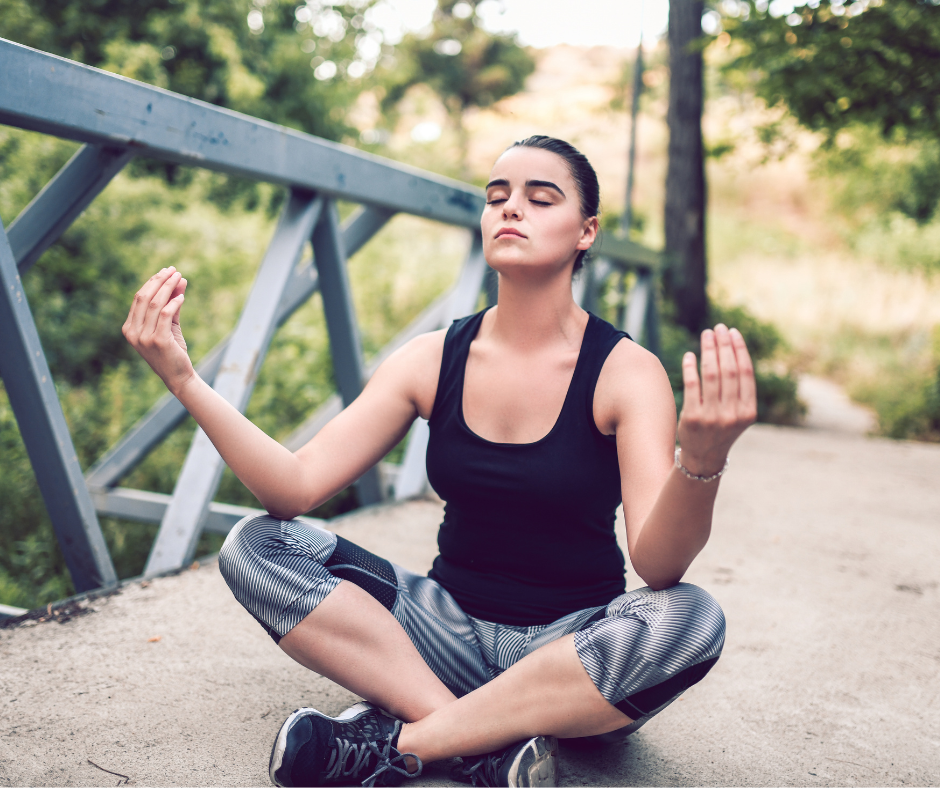
Anxiety often pulls your mind toward future situations you fear. In contrast, mindfulness brings you back to what is happening right now, without judgment. Indeed, a 2010 meta-analysis by Hofmann and colleagues found that mindfulness-based therapy moderately improved anxiety and depression, and the benefits lasted over time. Likewise, researchers have found that group mindfulness therapy can work about as well as cognitive behavioural therapy (CBT) for some people. Below are several mindfulness exercises you can practise on your own.
The Body Scan
The body scan is one of the most popular mindfulness exercises. To begin, lie down or sit comfortably. Next, focus on your breath for a few moments. After that, move your attention slowly from your toes up through your legs, torso, arms, and head. Simply notice each sensation without trying to change it. Over time, this practice helps you recognize where you hold stress.
The 3-Minute Breathing Space
This brief breathing exercise fits easily into a busy schedule. The 3-Minute Breathing Space anxiety coping exercise helps you step out of anxious thoughts and reconnect with the present moment. First, notice what you are thinking and feeling without judgment. Next, focus on your breathing for one minute. Finally, expand your awareness to your whole body, helping you feel calmer and more grounded. For example, notice how your feet touch the floor, how your muscles feel, and any areas of tension or comfort. This can help bring your focus back to the present moment and reduce anxious thoughts.
How to reduce stress naturally considering thoughts as passing clouds
Imagine your mind as a wide sky and your thoughts as clouds drifting across it. Rather than grabbing onto each worry, you watch it arrive and float away. Consequently, you begin to see that an anxious thought is just a thought, not a fact.
Anxiety coping strategies With Mindful Eating and Walking
You can also turn everyday activities into mindfulness exercises. For instance, eat one raisin or one bite of food slowly, noticing its look, texture, smell, and taste. Alternatively, take a short walk and pay close attention to each step, the air on your skin, and the sounds around you. Even a five-minute walk around the block in a Canadian winter can sharpen your focus and settle your mind.
Overall, the key is consistency. Practising mindfulness exercises for just 10 minutes a day often matters more than one long session per week.
How to Reduce Stress Naturally Through Daily Habits
Quick tools help in the moment; however, your daily routine shapes your baseline anxiety level. Here is how to reduce stress naturally with small, sustainable changes.
Move Your Body
Physical activity stands out as one of the most powerful anxiety coping strategies available. For example, a 10-minute brisk walk helps burn off the adrenaline that anxiety produces. In addition, a large 2023 review in the British Journal of Sports Medicine found that physical activity substantially improved symptoms of depression, anxiety, and psychological distress across many groups of adults. Above all, choose something you enjoy, such as walking, swimming, skating, yoga, or cycling, because you will stick with it longer. Gentle mind-body practices like yoga and qigong even double as mindfulness exercises.
Protect Your Sleep
Any guide on how to reduce stress naturally must include sleep. Poor sleep and anxiety feed each other. To break the cycle, wake up at the same time every day, get morning daylight, and limit screens before bed. This matters even more during short, dark Canadian winters, when your body clock can easily drift.
Cut Back on Caffeine and Alcohol
Caffeine can mimic anxiety symptoms such as a racing heart and jitteriness. Meanwhile, alcohol may calm you at first, but its effect often rebounds into more anxiety the next day.
Eat Well, Get Outside, and Stay Connected
Beyond Blue also highlights simple wellbeing habits: eat balanced meals, spend time outdoors, see family and friends, and make room for activities you enjoy. Similarly, time in nature, whether a provincial park or a city trail, gives your nervous system a break. Ultimately, learning how to reduce stress naturally means building a life that leaves less room for chronic worry.
Anxiety Coping Strategies for Your Thoughts
Your body calms down more easily when your thinking shifts too. Accordingly, these anxiety coping strategies target the mental side of anxiety.
Challenge Anxious Self-Talk
Anxiety tends to overestimate danger and underestimate your ability to cope. So, when you get anxious, ask yourself: “Is this thought actually true? What evidence do I have? What would I tell a friend in this situation?” Gradually, this habit loosens the grip of catastrophic thinking.
Name Your Feelings
Putting a precise label on an emotion, such as “I feel anxious that I will forget my words in the meeting,” helps quiet the brain’s alarm centre. In other words, naming a feeling makes it feel more manageable.
Schedule a Daily Worry Time
It may sound unusual, but it works for many people. Set aside 10 to 15 minutes each day as your “worry time.” When a worry comes up outside that time, write it down and save it for later. By the time your worry time arrives, many concerns no longer feel as important.
Face Fears Gradually
Facing your fears a little at a time is one of the most effective ways to reduce anxiety. Although avoiding a situation may bring temporary relief, it often makes the fear stronger over time. Instead, take small, manageable steps toward the thing that worries you. As you repeat these steps, your confidence grows and your anxiety usually starts to fade.
For example, if you feel anxious about driving, do not force yourself onto a busy highway right away. Start by sitting in a parked car. Next, drive around your neighbourhood for a few minutes. Then, try a quiet road before gradually moving on to busier streets. Each successful step teaches your brain that you can handle the situation safely.
Some fears can be challenging to face on your own. In those cases, a counsellor or therapist can help you create a gradual plan and support you through the process.
This approach takes time; however, it often leads to lasting improvements because it addresses the fear instead of avoiding it.
Building Your Personal Toolkit of Anxiety Coping Strategies
No single technique works for everyone. Therefore, try several anxiety coping strategies and keep track of what helps. If you still wonder how to reduce stress naturally day to day, a simple plan might look like this:
- In the moment: slow breathing, the physiological sigh, 5-4-3-2-1 grounding, or cold water.
- Every day: 10 minutes of mindfulness exercises, a walk or workout, and a consistent sleep schedule.
- Every week: time with friends, time in nature, and a check-in on your caffeine and alcohol use.
- Over months: challenging anxious thoughts and gradually facing what you avoid.
Keep in mind that anxiety coping strategies work on different timelines: body-based tools often work within minutes, habit changes usually take two to four weeks, and deeper changes in thinking unfold over months. In the end, patience is part of the process.
When to Seek Professional Help
Many anxiety coping strategies work well for mild to moderate anxiety. However, seek help if anxiety affects your work, relationships, or sleep. Likewise, talk to a healthcare provider if you avoid important situations or have ongoing physical symptoms.
In addition, your doctor can recommend how to reduce stress naturally alongside other treatments. They can also rule out underlying medical conditions and refer you to counselling or cognitive behavioural therapy (CBT). Furthermore, many provinces offer low-cost or publicly funded therapy programs. Many workplace benefit plans also cover psychologists and counsellors.
Most importantly, seek immediate help if you feel unsafe or have thoughts of suicide. Call or text 9-8-8, Canada’s Suicide Crisis Helpline, available 24/7, or visit your nearest emergency department.
Conclusion
Medication can play an important role, especially for moderate to severe anxiety. However, anxiety coping strategies remain the foundation of treatment for many people.
Think of these tools as part of your daily routine. Just as you take medication regularly, you need to practise deep breathing, mindfulness exercises, and physical activity consistently. Over time, these habits can help calm your nervous system. Finally, speak with your healthcare provider if your symptoms continue or worsen. Together, you can build anxiety coping strategies that fit your lifestyle, values, and goals, helping you feel calmer, more confident, and more in control.
Estimated reading time: 14 minutes
Frequently Asked Questions on Anxiety Coping Strategies
Anxiety coping strategies can help reduce the frequency and intensity of anxiety attacks for many people. Techniques such as controlled breathing, mindfulness exercises, regular physical activity, and stress management can help you recognize early warning signs and respond before anxiety escalates. However, they may not prevent every anxiety attack, especially if an underlying anxiety disorder contributes to your symptoms.
Some anxiety coping strategies work within minutes. For example, slow breathing and grounding exercises can quickly calm your nervous system. However, habits such as mindfulness exercises, better sleep, and regular exercise often take several weeks to produce noticeable improvements. Consistency usually matters more than perfection.
Yes. Your food choices can influence your mood and anxiety levels. Eating regular, balanced meals helps maintain stable blood sugar, which may reduce symptoms such as irritability, shakiness, and nervousness. In addition, drinking enough water and limiting highly processed foods may support overall mental wellbeing.
You can practice mindfulness exercises at any time of day. Many people prefer the morning because it helps them start the day with a calmer mindset. Others use mindfulness during work breaks, after stressful situations, or before bed. The best time is when you can practise consistently.
Yes. Anxiety can trigger physical symptoms even when no immediate threat exists. You may experience a racing heart, sweating, muscle tension, dizziness, nausea, or shortness of breath. This happens because your body activates its stress response system, even if the danger exists only in your thoughts or worries.
Excessive screen time can increase anxiety for some people. Constant exposure to news, social media, emails, and notifications can keep your mind in a heightened state of alertness. Setting screen-free periods throughout the day and avoiding screens before bed may help reduce stress naturally and improve sleep quality.
You may need professional support if anxiety affects your work, school, relationships, sleep, or daily activities. Other signs include frequent panic attacks, persistent avoidance of certain situations, ongoing physical symptoms, or anxiety that does not improve despite using anxiety coping strategies regularly. A healthcare professional can help you explore additional treatment options.
How to Perform the 5-4-3-2-1 Grounding Method in 3 Simple Steps
Time needed: 5 minutes
How it helps: The 5-4-3-2-1 grounding method redirects your attention away from anxious thoughts and toward your immediate surroundings. As a result, it can help calm your mind and reduce anxiety in the moment.
- Step 1: Focus on What You Can See and Touch
Look around and identify 5 things you can see. Then, notice 4 things you can touch or physically feel, such as your clothing, chair, desk, or the floor beneath your feet.
- Step 2: Tune In to Sounds and Smells
Next, identify 3 things you can hear, such as voices, music, traffic, or the hum of a fan. After that, notice 2 things you can smell, whether they are nearby scents or smells you can recall.
- Step 3: Notice One Thing You Can Taste
Finally, focus on 1 thing you can taste. You might notice the taste of a drink, food, gum, toothpaste, or simply the natural taste in your mouth. Then, take a slow breath and bring your attention back to the present moment.
Key Takeaways
- Anxiety coping strategies can provide immediate relief from stress without medication, and include techniques like slow breathing and grounding exercises.
- Mindfulness exercises help calm anxiety by focusing on the present moment, with practices such as body scans and mindful eating.
- Physical activity and consistent sleep improve baseline anxiety levels, as part of a daily routine to reduce stress naturally.
- Challenging anxious thoughts and gradually facing fears can help change thinking patterns over time, leading to lasting improvements.
- Seek professional help if anxiety affects daily life, relationships, or if self-help strategies aren’t effective.
