

Several common food allergens affect millions of people worldwide and are becoming increasingly common in both children and adults. While many individuals develop food allergies during infancy or early childhood, adults can also experience their first allergic reaction later in life—even after consuming the same food safely for years. This often surprises patients, who wonder how they can suddenly become allergic to something they have eaten all their lives. Let’s understand in detail the effect of common allergens in food. You can review the common food allergens list below so you know how to manage them effectively.
The vast majority of common food allergens are proteins naturally found in certain foods. Unlike fats or carbohydrates, proteins are large, complex molecules that the immune system can mistakenly identify as harmful invaders. Once this happens, the body produces immunoglobulin E (IgE) antibodies that trigger the release of histamine and other inflammatory chemicals whenever the food is consumed again. As a result, this immune response leads to the familiar symptoms of food allergy, ranging from mild itching to life-threatening anaphylaxis.
Physicians often witness patients confuse food allergies with food intolerances. Although both may cause unpleasant symptoms, they are very different conditions. A true food allergy involves the immune system and can become a medical emergency, whereas food intolerance generally affects the digestive system and is rarely life-threatening. Understanding the common allergens in food, recognizing their symptoms, and knowing when to seek medical attention are essential for protecting yourself and your family.
What Is a Food Allergy?
A food allergy occurs when the immune system mistakenly recognizes a harmless food protein as dangerous. During the first exposure, the immune system becomes sensitized and produces IgE antibodies directed against that specific protein. During future exposures, these antibodies rapidly trigger allergic reactions by releasing histamine and other inflammatory mediators.
This explains why symptoms often appear within minutes after eating the food. In some individuals, reactions may occur several hours later depending on the immune mechanism involved.
Unlike food poisoning or food intolerance, even a very small amount of these common food allergens may trigger a reaction in highly sensitive individuals.
Why Are Proteins the Most Common Food Allergens?
One of the most interesting aspects of food allergies is that almost all common food allergens are proteins.
Proteins are structurally complex molecules that the immune system can recognize and remember. Certain proteins are particularly resistant to digestion and cooking, allowing them to remain intact long enough to stimulate immune cells in susceptible individuals.
When someone has a genetic tendency toward allergies, their immune system may mistakenly classify these proteins as harmful pathogens instead of harmless nutrients. This abnormal immune response explains why foods such as peanuts, eggs, shellfish, and tree nuts account for the majority of severe allergic reactions worldwide.
Common Food Allergens List
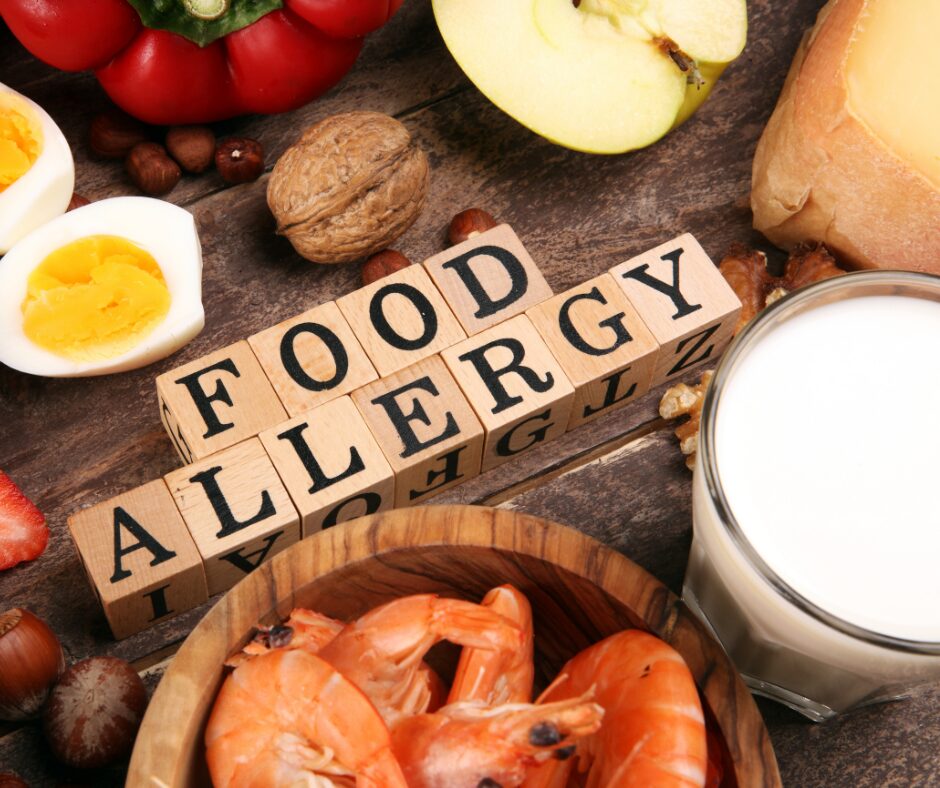
Although hundreds of foods have been reported to cause allergies, approximately 90% of food allergies are caused by a relatively small group of foods.
These include:
- Cow’s milk
- Eggs
- Peanuts
- Tree nuts
- Wheat
- Soy
- Fish
- Shellfish
- Sesame
Let’s deep dive into each.
Cow’s Milk Allergy Comes First in the Most Common Food Allergens List
Cow’s milk allergy is among the most common food allergies in infants and young children. It develops when the immune system reacts to milk proteins such as casein and whey.
Who Can Develop It?
Most cases occur during infancy, although adults can also develop milk allergy later in life.
Children frequently outgrow cow’s milk allergy during childhood, but some continue to experience reactions into adulthood.
Symptoms in Children
- Hives
- Vomiting
- Diarrhea
- Eczema flare-ups
- Wheezing
- Poor feeding
- Irritability
Symptoms in Adults
- Itchy mouth
- Facial swelling
- Hives
- Stomach cramps
- Vomiting
- Difficulty breathing
- Anaphylaxis
Safe Alternatives
Many patients can safely derive milk from sources like oat, almond, rice, or soy, depending on whether they have any additional food allergies or intolerance.
Eggs Are Also Common Food Allergens
Egg allergy usually develops because the immune system reacts to proteins found in egg whites, although yolk proteins may also contribute.
Who Is Most Affected?
Egg allergy is common during infancy and early childhood, but many children gradually outgrow it before adolescence.
Adult-onset egg allergy is less common but can occur.
Symptoms of egg allergies
Children often develop:
- Facial rash
- Hives
- Vomiting
- Swelling around the mouth
Similarly, adults may experience:
- Itching
- Hives
- Abdominal pain
- Wheezing
- Swelling
- Severe allergic reactions
Fortunately, many individuals with egg allergy can tolerate extensively baked egg products after evaluation by an allergist.
Peanuts Allergy
Peanut allergy is one of the most serious and well-known food allergies because even tiny amounts may provoke severe reactions.
Unlike tree nuts, peanuts belong to the legume family.
Why Is Peanut Allergy So Dangerous?
Peanut proteins are particularly stable and remain allergenic despite cooking, roasting, or processing. Unfortunately, many people remain allergic throughout life.
Symptoms of this common food allergy
Symptoms may include:
- Mouth itching
- Lip swelling
- Hives
- Vomiting
- Difficulty breathing
- Wheezing
- Low blood pressure
- Anaphylaxis
Therefore, strict avoidance remains the cornerstone of management.
Tree Nut Allergy
Tree nuts include:
- Almonds
- Walnuts
- Cashews
- Pistachios
- Pecans
- Brazil nuts
- Hazelnuts
- Macadamia nuts
It is important to note that one individual may be allergic to one specific tree nut or several of them.
Because cross-contamination frequently occurs during food processing, allergists often recommend avoiding multiple tree nuts unless allergy testing confirms otherwise.
Symptoms of these common food allergens
These common food allergens commonly produce:
- Hives
- Facial swelling
- Itchy throat
- Wheezing
- Vomiting
- Anaphylaxis
Common Food Allergens are Present in Wheat
Wheat allergy should not be confused with celiac disease or gluten intolerance.
In wheat allergy, the immune system reacts to wheat proteins rather than gluten alone.
Wheat allergy in Children
This allergy often develops during infancy and may disappear as children grow older.
Wheat allergy in Adults
Adult-onset wheat allergy is less common but may occur, particularly in individuals with other allergic conditions.
Symptoms of wheat allergy
- Hives
- Nasal congestion
- Vomiting
- Diarrhea
- Wheezing
- Anaphylaxis
Some adults experience wheat-dependent exercise-induced anaphylaxis, where symptoms occur only if physical activity follows wheat consumption.
Food Allergies In Soy
Soybeans contain several proteins capable of triggering food allergies.
Food allergies from soy frequently develops during infancy because soy-based formulas are commonly introduced early in life.
Symptoms of soy allergy
Children may develop:
- Eczema
- Vomiting
- Diarrhea
- Poor feeding
Adults usually experience:
- Mouth itching
- Hives
- Swelling
- Digestive symptoms
Fortunately, many children eventually outgrow soy allergy.
Common Food Allergens in Fish
Fish allergy often develops later than many childhood food allergies and commonly persists throughout adulthood.
Common fish include:
- Salmon
- Tuna
- Cod
- Halibut
- Trout
Many individuals allergic to one fish species react to multiple species because similar proteins exist across different fish.
Symptoms of fish allergy
- Hives
- Swelling
- Vomiting
- Wheezing
- Difficulty breathing
- Anaphylaxis
Unlike shellfish allergy, fish allergy does not automatically mean a person is allergic to shrimp or crab.
Several Shellfish are Common Food Allergens
Shellfish allergy is one of the most common causes of adult-onset food allergy.
Shellfish include:
Crustaceans
- Shrimp
- Crab
- Lobster
- Crawfish
Mollusks
- Clams
- Mussels
- Oysters
- Scallops
- Squid
The major allergen is a muscle protein called tropomyosin.
Adult onset of shellfish allergies
Many adults first develop shellfish allergy during their twenties, thirties, or even later.
This explains why someone who previously enjoyed seafood without difficulty may suddenly experience a severe reaction.
Symptoms of shellfish allergies
- Lip swelling
- Hives
- Difficulty breathing
- Vomiting
- Severe anaphylaxis
Sesame Can Cause Allergies
Sesame allergy has become increasingly recognized worldwide. This is because, protein in sesame remain allergenic even after roasting or grinding into products such as tahini.
Hidden Sources
Patients should carefully read ingredient labels because sesame may appear in:
- Bread
- Crackers
- Salad dressings
- Hummus
- Asian cuisine
- Snack foods
Symptoms resemble those seen with peanut and tree nut allergies.
Adult-Onset Food Allergies
Many people believe food allergies only develop during childhood, but this is a misconception.
Adults can develop allergies because of:
- Changes in the immune system
- Environmental exposures
- Repeated food exposure
- Cross-reactivity with pollen allergies
- Unknown genetic and immunologic factors
Shellfish, fish, and tree nut allergies are particularly likely to appear during adulthood.
Exposure To Common Food Allergens – Symptoms in Adults
Symptoms often begin within minutes to two hours after eating.
Common symptoms include:
- Itchy mouth
- Tingling lips
- Swollen tongue
- Hives
- Facial swelling
- Wheezing
- Cough
- Difficulty breathing
- Abdominal pain
- Vomiting
- Diarrhea
- Dizziness
- Fainting
However, anaphylaxis is the most severe reaction and requires immediate emergency treatment with epinephrine.
Exposure To Common Food Allergens – Symptoms in Children
Children on the other hand may present differently from adults.
Common pediatric symptoms include:
- Persistent crying
- Vomiting after feeding
- Eczema
- Hives
- Facial swelling
- Diarrhea
- Wheezing
- Difficulty feeding
- Poor weight gain
Parents should seek medical attention promptly if these symptoms develop after introducing a new food.
How Are Food Allergies Diagnosed?
Diagnosis begins with a careful medical history.
Healthcare providers may recommend:
- Skin prick testing
- Blood tests measuring food-specific IgE antibodies
- Elimination diets
- Finally, supervised oral food challenges
Eventually, with the right details, your doctor will recommend the correct plan of action or diet chart. On the contrary, self-diagnosing food allergies can lead to unnecessary dietary restrictions and nutritional deficiencies.
Can You Prevent Food Allergies?
You cannot prevent all food allergies, but early introduction of certain allergenic foods during infancy—when medically appropriate—can reduce the risk of developing some allergies, particularly peanut allergy.
Adults cannot reliably prevent new food allergies from developing, but prompt recognition and specialist evaluation improve long-term management.
Living Safely with Food Allergies
If you have a confirmed food allergy:
- Read ingredient labels carefully.
- Inform restaurants about your allergy.
- Ask about cross-contamination during food preparation.
- Carry emergency medications if prescribed.
- Wear medical identification if you have experienced severe reactions.
- Develop an emergency action plan with your healthcare provider.
These simple precautions significantly reduce the risk of accidental exposure.
A Physician’s Perspective on Common Food Allergens
One of the biggest misconceptions physicians encounter is that mild reactions will always remain mild. However, this is not true. A person who previously experienced only itching or hives may develop a much more severe reaction after future exposures. For this reason, every confirmed food allergy deserves careful evaluation and a personalized management plan.
Doctors also encourage patients not to eliminate foods based solely on internet advice or unverified testing kits. An unnecessarily restrictive diet can lead to nutritional deficiencies, particularly in children. Working with an allergist allows you to identify exactly which foods you must avoid and which are actually safe, helping you maintain both good nutrition and peace of mind.
In conclusion, understanding the common food allergens and the proteins that trigger allergic reactions can help individuals recognize symptoms early and avoid potentially life-threatening complications. While cow’s milk, eggs, peanuts, wheat, soy, fish, shellfish, sesame, and tree nuts account for most food allergies, every person experiences allergies differently. Knowing your triggers, obtaining an accurate diagnosis, and working closely with your healthcare provider are the best ways to stay safe while maintaining a balanced and healthy diet.
Frequently Asked Questions
Yes. Adult-onset food allergies are well recognized, particularly with shellfish, fish, and tree nuts. Changes in the immune system and environmental factors may contribute, although the exact reason is often unknown.
Not always. Many allergenic proteins, particularly those found in peanuts, tree nuts, shellfish, sesame, and fish, remain allergenic even after cooking, roasting, or baking. Individuals with confirmed allergies should continue to avoid these foods unless advised otherwise by their allergist.
Many children eventually outgrow allergies to cow’s milk, eggs, soy, and wheat, although some allergies persist into adulthood. Peanut, tree nut, fish, and shellfish allergies are generally more likely to be lifelong, making regular follow-up with an allergist important.
Key Takeaways
- Common food allergens like cow’s milk, eggs, peanuts, and tree nuts can cause severe allergic reactions even after years of safe consumption.
- Understanding the difference between food allergies and food intolerances is crucial, as allergies can be life-threatening and involve the immune system.
- Approximately 90% of food allergies are linked to a small group of foods, including wheat, soy, fish, shellfish, and sesame.
- Symptoms can vary significantly between children and adults, and early recognition and management are essential for safety.
- Adults can develop food allergies unexpectedly, emphasizing the importance of consulting healthcare professionals for accurate diagnosis and management.
Estimated reading time: 10 minutes
