

Xylitol sugar is a popular sugar substitute, but recent clinical findings reveal that elevated levels of this sweetening compound in your blood correlate directly with a heightened risk of heart attacks and strokes. While consumers frequently ask “is xylitol safe?”, emerging research points toward potential xylitol adverse effects that demand a closer look at our daily diets. In this guide, we break down what the science actually demonstrates, explore how sugar substitutes affect your vascular health, discuss safer dietary alternatives, and answer your most pressing questions about xylitol sugar safety.
What Is Xylitol Sugar?
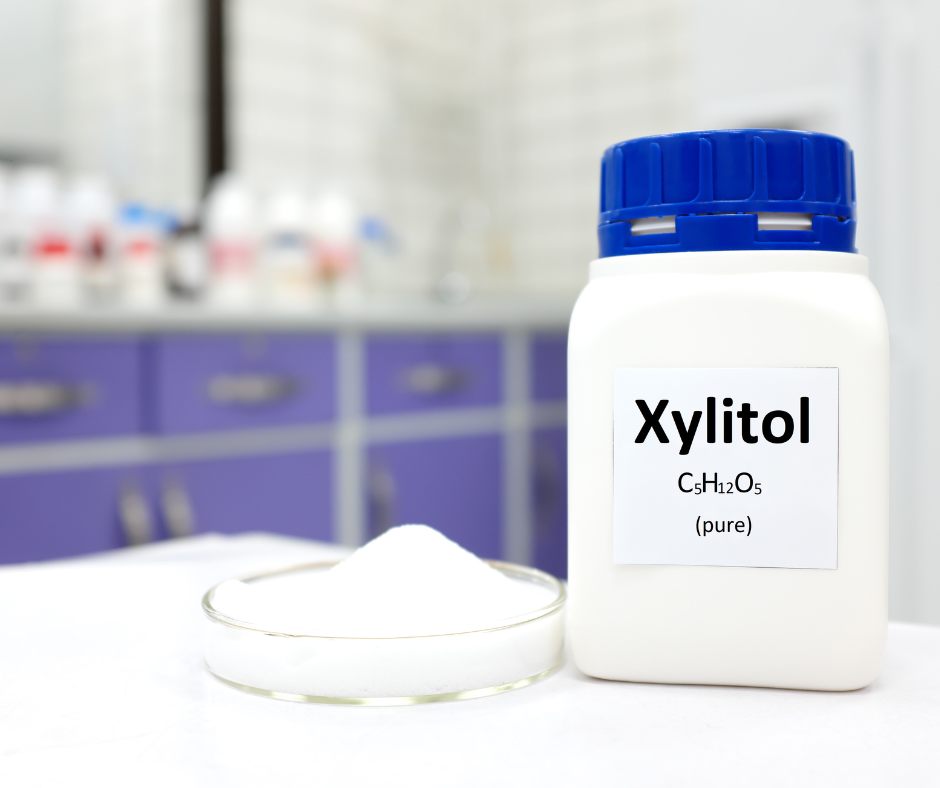
Xylitol sugar belongs to a class of carbohydrates known as polyols, or sugar alcohols. Although it contains the word “sugar,” xylitol sugar lacks the chemical structure of traditional cane sugar, supplying about 40% fewer calories per gram.
Manufacturers extract xylitol sugar from plant sources like birch bark and corn cobs. Humans also produce xylitol sugar naturally in tiny metabolic amounts as a normal byproduct of glucose processing. However, modern food processing introduces xylitol sugar in quantities up to 1,000-fold higher than your body naturally produces.
| Category with Xylitol sugar | Product Types |
| Processed Foods | • Sugar-free chewing gum • Low-carb and keto snacks • Diabetic baked goods • Jams and fruit spreads |
| Personal Care Products | • Fluoride toothpastes • Therapeutic mouthwashes • Nasal sprays • Chewable vitamins |
In processed foods, manufacturers frequently add xylitol sugar to sugar-free chewing gum, low-carb snacks, diabetic baked goods, as well as jams and fruit spreads. In personal care, companies formulate xylitol sugar into fluoride toothpastes, therapeutic mouthwashes, nasal sprays, and chewable vitamins to leverage its dental and antimicrobial properties.
When evaluating whether is xylitol safe, consumers must distinguish between small quantities in oral care and large doses in food products. Dental products use xylitol sugar because bacteria in your mouth cannot ferment it, which actively reduces tooth decay and cavity formation. However, ingestible low-carb and diabetic foods frequently contain massive doses of xylitol sugar, raising concerns about potential xylitol adverse effects, especially on your cardiovascular system.
What Does the Latest Heart Research Show About Xylitol Adverse Effects?
Recent clinical research published in the European Heart Journal highlights significant associations between xylitol sugar and major adverse cardiovascular events. Lead researchers at the Cleveland Clinic tracked over 3,000 patients across the United States and Europe. According to their observation, individuals with the highest circulating levels of xylitol sugar faced a substantially higher 3-year risk of experiencing a heart attack or stroke. Subsequently, observational data presented at the European Society of Cardiology (ESC) Congress reinforced this connection across broader population cohorts over even longer monitoring periods.
5 Phases of Xylitol Adverse Effects
| Steps | Phase | Biological Mechanism |
| 1 | Ingestion | Consumption of foods or beverages sweetened with high doses of xylitol sugar. |
| 2 | Absorption | Xylitol sugar enters the bloodstream, resulting in elevated circulating blood levels. |
| 3 | Platelet Activation | High plasma concentrations trigger hyper-reactivity in blood platelets. |
| 4 | Aggregation | Platelet hyper-sensitivity leads to accelerated blood clot formation. |
| 5 | Clinical Event | Increased risk of localized blood clots, potentially leading to vascular blockage (thrombosis). |
To explain this clinical association, laboratory researchers show how xylitol sugar interacts directly with human blood components. The proposed biological sequence begins when an individual consumes a drink or food item sweetened with high doses of xylitol sugar. Once absorbed, the compound creates increases blood circulation levels, which trigger hyper-reactive blood platelets, which are the small cell fragments responsible for blood clotting. This increases platelet sensitivity leads directly to accelerated clot formation, ultimately increasing the overall risk of a localized vascular blockage or thrombosis.
Association vs. Causation: What the Science Of Xylitol Adverse Effects Mean
While these biological mechanisms sound alarming, health experts emphasize that existing observational studies demonstrate an association rather than absolute causation. However, scientists have not definitively proven that xylitol sugar directly causes heart attacks or strokes in humans. The elevated blood levels observed in observational cohorts could partially reflect underlying differences in individual metabolic health. The study authors explicitly call for further large-scale, long-term intervention trials to determine the exact cardiovascular safety profile of xylitol sugar.

Comparing Cardiovascular Risk: Xylitol vs. Erythritol and Other Sugar Alcohols
Evaluating xylitol adverse effects requires comparing xylitol sugar directly with other popular polyols like erythritol, sorbitol, and maltitol. Both xylitol sugar and erythritol stand out in recent research because intervention studies directly connect both compounds to acute platelet reactivity and heightened pro-thrombotic risks. While both sugar alcohols raise blood clotting concerns, erythritol demonstrates a notably longer clearance window. Following ingestion, elevated erythritol levels persist in the bloodstream for several days, keeping platelets in a heightened state of sensitivity, whereas xylitol sugar levels typically peak and resolve over four to six hours. In contrast, older sugar alcohols like sorbitol and maltitol currently lack the same robust clinical evidence linking them to acute platelet activation. However, sorbitol and maltitol carry far worse gastrointestinal profiles, triggering severe osmotic diarrhea and stomach pain at much lower dietary thresholds than erythritol.
| Sugar Alcohol | Primary Cardiovascular Finding | Platelet Reactivity Impact | Blood Clearance Duration | Gastrointestinal Tolerance |
| Xylitol Sugar | Associated with 3-year risk of heart attack and stroke. | Strong, acute platelet activation and clot enhancement. | Clears plasma over several hours (4–6 hours). | Moderate (Diarrhea occurs >30–40g/day). |
| Erythritol | Associated with double the 3-year cardiac event risk. | Strong, acute platelet activation and clot enhancement. | Prolonged elevation in blood (Persists for days). | High (Well tolerated by small intestine). |
| Sorbitol | No strong direct link to acute platelet aggregation in trials. | Minimal direct pro-thrombotic activity identified. | Rapid metabolic processing. | Low (Triggers severe bloating and laxative effects easily). |
| Maltitol | Unstudied for direct pro-thrombotic mechanisms. | Minimal direct pro-thrombotic activity identified. | Standard metabolic processing. | Low to Moderate (Spikes blood glucose more than other polyols). |
What Are the Known Xylitol Adverse Effects?
Understanding the full spectrum of xylitol adverse effects helps you make informed choices regarding your daily health habits. While many individuals tolerate modest exposure, eating higher concentrations of xylitol sugar can trigger noticeable physiological disruptions.
| Health System | Primary Xylitol Adverse Effects |
| Digestive Disruptions | • Osmotic diarrhea • Abdominal cramping • Gas and bloating |
| Cardiovascular Risks | • Platelet activation • Accelerated blood clotting • Elevated cardiovascular event risk |
When we take them in high amounts, xylitol sugar impacts two primary physiological systems:
- Digestive Disruptions: Because your small intestine absorbs xylitol sugar slowly and partially, unabsorbed sugar alcohol moves directly into your colon. There, osmotic action pulls water into the gut while resident bacteria ferment the remaining compound. As a result, it triggers osmotic diarrhea, severe abdominal cramping, and painful gas or bloating.
- Cardiovascular Risks: High concentrations of circulating xylitol sugar activate blood platelets, causing hyper-reactivity that increases clot formation. As a result, it can increase the risk of serious vascular blockages in some patients.
How to Stay Safe from Xylitol Adverse Effects: Practical Guidelines
You do not need to panic or throw away every item in your home to protect your health. Cardiovascular researchers note that tiny exposures to xylitol sugar present a vastly different risk profile than consuming highly concentrated diet foods.
| Exposure Level | Risk Level | Example Products & Behaviors |
| Low Exposure | Minimal Risk | Brushing with toothpaste, using dental mouthwash, or chewing 1–2 pieces of gum daily. |
| High Exposure | Elevated Risk | Consuming multiple servings of keto ice creams, diabetic bakery goods, or processed diet jams. |
Exposure levels directly dictate potential health outcomes. For example, low exposure applications carry minimal risk and include routine hygiene habits such as brushing with toothpaste, using dental mouthwash, or chewing 1 to 2 pieces of gum, where virtually no substance reaches your bloodstream. Conversely, high exposure situations present an elevated risk through the heavy, repeated consumption of diet foods such as keto-labeled ice creams, diabetic bakery items, and processed diet jams.
Xylitol is safe when you apply these guidelines:
- Keep Your Toothpaste and Oral Care: You absorb virtually no xylitol sugar into your bloodstream when you spit out toothpaste or mouthwash. Meanwhile, dental products that contain xylitol sugar continue to offer proven antibacterial protection without driving systemic vascular risk.
- Read Processed Food Labels Carefully: First, you inspect ingredients on products marketed as “zero‑sugar,” “keto‑friendly,” or “diabetic‑safe” first, so you can verify what they actually contain. Then, you limit those items where xylitol sugar appears near the top of the ingredients list.
- Monitor Your Daily Intake: Avoid eating multiple high-dose diet products containing xylitol sugar in a single day. This will prevent sustained elevations in blood platelet reactivity.
- Consult Your Cardiologist: If you already manage pre-existing cardiovascular conditions or prior blood clots, discuss dietary sugar alcohols directly with your physician.
Safer Alternatives to Xylitol Sugar
If you prefer to eliminate xylitol sugar from your kitchen shelves, several natural and low-glycemic substitutes can help you manage your sweet intake safely.
| Sweetener Alternative | Primary Health Profile | Ideal Application |
| Stevia Leaf Extract | Natural, zero-calorie plant extract that does not alter blood sugar or activate blood platelets. | Hot beverages, smoothies, and general baking. |
| Monk Fruit Extract | High-intensity sweetener packed with natural antioxidants called mogrosides. | Coffee, cooking, and low-carb desserts. |
| Allulose | A rare natural sugar that passes through the body with minimal caloric absorption and no effect on insulin. | Ice cream, sauces, and baked goods. |
| Raw Honey (In Moderation) | Nutrient-rich natural sweetener offering antibacterial properties, though containing standard sugar calories. | Dressings, teas, and unheated preparations. |
Transitioning to whole, unrefined foods remains the single best strategy for overall heart health. Replacing heavily processed diet foods with fresh fruits, vegetables, and whole grains eliminates your exposure to synthetic additives while improving your blood vessels naturally.
In conclusion, Xylitol sugar offers great dental benefits and helpful sugar-reduction properties, but recent science urges us to consume concentrated diet products with greater caution. While scientists continue to investigate potential xylitol adverse effects on blood clotting and stroke risk, staying informed empowers you to make balanced choices. By enjoying dental products safely, reducing processed diet foods, and choosing heart-smart sweetener alternatives, you can protect your teeth while keeping your heart strong.
Estimated reading time: 10 minutes
Frequently Asked Questions (FAQs) on How Safe is Xylitol?
No, scientists classify xylitol sugar as a sugar alcohol (polyol) rather than a purely synthetic artificial sweetener. It occurs naturally in small amounts in hardwood trees, fruits, and vegetables, though commercial manufacturers produce high concentrations for processed foods.
Xylitol sugar operates through entirely different chemical pathways than high-intensity artificial sweeteners like sucralose and aspartame. While traditional artificial sweeteners face scrutiny over long-term gut microbiome disruption, current research on xylitol sugar focuses specifically on platelet activation and blood clotting risks.
Health authorities evaluate xylitol sugar as safe for routine dental care and oral hygiene products. However, emerging research links high dietary consumption of xylitol sugar to potential cardiovascular risks, suggesting that individuals with pre-existing heart conditions should moderate heavy dietary intake.
While regulatory agencies do not set a strict legal daily limit for xylitol sugar, clinical studies indicate that consuming single doses above 30 grams can significantly raise blood platelet reactivity. Most adults experience gastrointestinal discomfort when daily consumption exceeds 40 to 50 grams.
Pregnant people can safely use oral care products containing xylitol sugar, such as toothpaste or mouthwash. However, expectant mothers should consult their obstetrician before consuming large amounts of processed diet foods containing xylitol sugar or other sugar substitutes.
Yes, consuming excessive amounts of xylitol sugar frequently causes osmotic diarrhea. Because your digestive tract absorbs sugar alcohols slowly, unabsorbed compounds pull excess water into your large intestine, leading to watery stools and abdominal cramping.
Key Takeaways
- Xylitol sugar, a sugar substitute, may increase the risk of heart attacks and strokes, raising safety concerns.
- Emerging research indicates high xylitol levels correlate with heightened cardiovascular issues and platelet activation.
- Low exposure to xylitol in dental products carries minimal risk while high exposure in foods elevates health concerns.
- Alternatives like stevia and monk fruit offer safer options for sweetness without cardiovascular risk.
- To maintain safety, monitor xylitol intake, read food labels carefully, and consult healthcare professionals if needed.
