

A growing body of research now suggests that choosing to eat within 8 hours window each day may play a meaningful role in supporting improved brain health, especially as we age. Although the idea sounds simple, the science behind it is surprisingly compelling. Recent research by Rutgers University researchers presented at NUTRITION 2026, the annual meeting of the American Society for Nutrition, points to a link between restricted eating windows and better brain health in older adults. While researchers continue to explore the details, the early findings offer a fresh perspective on how daily habits shape long‑term cognitive function.

“Eat Within 8 Hours Window” Approach and Improved Brain Health – The Correlation
The six‑month trial followed 47 postmenopausal women aged 50 to 79 who were higher in weight. Researchers asked each participant to cut about 500 calories from her daily intake. They then split the women into two groups: one group ate within an average window of 8.2 hours, typically between 10 a.m. and 6 p.m., while the other group spread their meals across a 12.3‑hour window. Both groups lost roughly 15 pounds over six months, but the women in the shorter eating window performed better on cognitive tests that measured spatial planning and problem‑solving. They also made fewer mistakes on memory and learning tasks, although their reaction time and multitasking abilities did not show meaningful differences.
What Happens in the Brain When You Fast For a Longer Time
When you shorten your eating window, your body spends more time in a fasting state. For example, if someone eats from 9 a.m. to 5 p.m., they give their body 8 hours of eating and 16 hours of fasting. During those 16 fasting hours, the body stops processing food and shifts into repair mode. It lowers insulin, stabilizes glucose, activates autophagy, and supports neuronal maintenance. Autophagy helps remove damaged cells and supports cellular repair. Additionally, because the body isn’t busy digesting, it can focus on clearing damaged proteins, restoring cell structures, and improving metabolic efficiency. Together, they support better brain health. Therefore, a longer overnight break gives the brain more time to repair and reset.
Although this process happens throughout life, it slows with age. After 50, giving the body more time to fast may help restore some of that natural rhythm.
Lauri Wright, Ph.D., director of nutrition programs and associate professor at the USF College of Public Health explains, “This is an interesting study because it suggests that when we eat may matter in addition to what and how much we eat”. “Giving the body a longer overnight break from eating may improve insulin sensitivity, reduce chronic inflammation, support healthy circadian rhythms and allow cells more time for repair and maintenance,” she said. According to her, those processes are all linked to healthy brain aging.
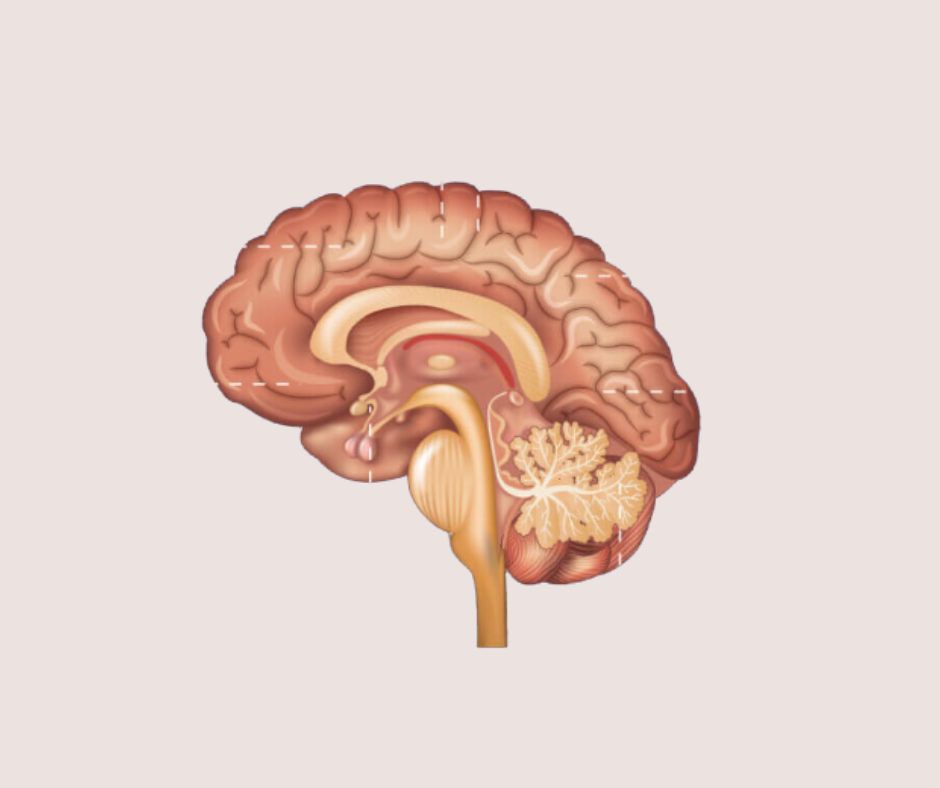
Why Researchers Are Paying Attention to Eating Windows
For years, nutrition advice focused almost entirely on food choices. Now, timing is entering the conversation. Therefore, in this research, the participants did not change what they ate, they changed when they ate. The thought stemmed from the hypothesis that timing helped regulate metabolic pathways that influence inflammation and glucose control. Because the brain depends on steady energy and low inflammation, these changes may support better brain health.
The results were striking. Adults who followed this pattern showed stronger memory performance and more stable cognitive scores over time.
What the New Study Found When You Eat Within 8 Hours
Key Findings on Improved Brain Health
Although the research is ongoing, the results showed:
- Better working memory
- Improved executive function
- Lower inflammatory markers
- More stable glucose levels
- Enhanced metabolic efficiency
These outcomes align with Health Canada’s guidance on maintaining metabolic health through balanced nutrition and consistent eating patterns.
How and What to Eat Within 8 Hours for Improved Brain Health
What To Eat Within 8 Hours
Although timing matters, nutrition quality remains essential. Health Canada recommends nutrient‑dense foods that support cognitive function. When adults choose to eat within 8 hours, they should include:
- Leafy greens
- Berries
- Whole grains
- Lean proteins
- Omega‑3‑rich fish
- Nuts and seeds
These foods contain antioxidants and healthy fats that support improved brain health. Moreover, they help stabilize glucose levels, which may protect brain health in older adults

How to Build An Eating Schedule for Better Brain Health in Older Adults
Morning (Fasting Period)
Although the fasting period may feel challenging at first, many adults adapt quickly. During the morning, hydration remains essential. Water, herbal tea, and black coffee support metabolic function without breaking the fast.
Midday (Eating Window Begins)
When the eating window opens, adults should choose nutrient‑dense foods. Because the brain relies on antioxidants and healthy fats, balanced meals support better brain health.
Evening (Eating Window Ends)
Although the evening meal should remain light, it should include protein and vegetables. This balance supports digestion and metabolic stability.
The following windows allow for balanced meals and snacks while supporting metabolic repair during fasting hours. Although each person may choose a different schedule, many adults prefer:
- 10 a.m. to 6 p.m.
- 11 a.m. to 7 p.m.
- 9 a.m. to 5 p.m.
How Eight Hours Eating Window Supports Improved Brain Health in Older Adults
Why Older Adults May Benefit More
Although younger adults may experience metabolic benefits, older adults may see stronger cognitive improvements. Because aging increases inflammation, time‑restricted eating may help reduce oxidative stress. Consequently, this reduction may lead to better brain health in older adults and improved memory retention.
How Fasting Supports Neuronal Repair
Fasting supports neuronal repair by activating autophagy, improving mitochondrial efficiency, reducing inflammation, increasing BDNF, stabilizing insulin, and shifting the brain toward cleaner ketone‑based energy, so your neurons clear damaged proteins, strengthen their connections, restore their energy systems, and rebuild healthier pathways in an environment with less oxidative stress and more supportive growth signals.
What the Research Still Doesn’t Know About “Eat Within 8 Hours” Approach
Although the findings are promising, researchers continue to explore:
- Long‑term cognitive outcomes
- Differences between age groups
- Optimal eating windows
- Effects on neurodegenerative conditions
In conclusion, because the research is still evolving, adults should consult healthcare providers before making significant dietary changes. This is because fasting changes how the body manages energy, hormones, and medications. Even though the research looks promising, fasting is still a metabolic stressor. It pushes the body to switch fuel sources, adjust insulin levels, and activate repair pathways. These changes can help many people, but they can also create risks for others — especially adults with underlying medical conditions.
Estimated reading time: 7 minutes
Key Takeaways
- Research suggests that the “Eat Within 8 Hours” approach may improve brain health, especially in older adults.
- A study followed women who ate within an 8-hour window, showing better cognitive performance compared to those with a longer eating window.
- Fasting enhances brain repair by activating autophagy, reducing inflammation, and stabilizing insulin levels, which collectively support cognitive health.
- Key benefits of this approach include better memory, improved executive function, and lower inflammatory markers.
- For optimal brain health, adults should include nutrient-dense foods in their 8-hour eating window.
Table of contents
- “Eat Within 8 Hours Window” Approach and Improved Brain Health – The Correlation
- What Happens in the Brain When You Fast For a Longer Time
- Why Researchers Are Paying Attention to Eating Windows
- What the New Study Found When You Eat Within 8 Hours
- How and What to Eat Within 8 Hours for Improved Brain Health
- How Eight Hours Eating Window Supports Improved Brain Health in Older Adults
