

A comprehensive review published in The BMJ revealed that calcium supplements, vitamin D supplements, or both together offer little to no meaningful benefit in preventing fractures or falls among most older adults. This finding matters because falls remain a major health concern for older people. Nearly one in three adults over 65 experience a fall each year, and many of these incidents lead to fractures. Although this research raises questions about supplement use, it also highlights the need to understand what is calcium, how calcium and vitamin D work together, how to maintain healthy calcium levels, and how common sources of calcium in food can support long‑term bone health.
Health Canada emphasizes that calcium remains essential for strong bones, muscle function, nerve signaling, and overall metabolic stability. Yet, the way we obtain calcium—and how our bodies use it—matters for older adults. Because of this, experts now encourage a more holistic approach that includes diet, lifestyle, and targeted nutrients rather than relying on supplements alone.
Why Calcium Supplements Are Not Enough
The BMJ review challenges long‑held assumptions. Many people believed that taking a daily calcium pill would protect their bones. However, the evidence shows that supplements alone do not significantly reduce fracture risk for most older adults. Although this may seem surprising, it aligns with emerging research.
A recent analysis shared by medical experts explains that calcium works best when paired with other nutrients. Calcium depends on vitamin D for absorption. It also relies on vitamin K2, magnesium, and trace minerals to support bone formation. As a result, just calcium supplements alone, or even calcium and vitamin D together cannot build strong bones. They act as one piece of a much larger puzzle.
Experts suggest that calcium absorption varies widely. Age, diet, hormonal changes, and digestive health all influence how much calcium the body can use. Therefore, a supplement may not correct low calcium levels if the body lacks the nutrients needed to process it.

What Is Calcium and Why Calcium Supplements and Vitamin D Has a Critical Partnership
Calcium is the most abundant mineral in the human body. It supports bones, teeth, muscles, blood vessels, and nerve communication. Although bones store most of the body’s calcium, the mineral constantly moves in and out of bone tissue. Because of this, maintaining steady calcium levels is essential for lifelong health.
Calcium Levels and Their Impact on the Body
Calcium levels must stay within a narrow range. When dietary intake falls short, the body pulls calcium from bones to maintain balance. Over time, this process weakens bone structure. Although supplements can help in some cases, diet remains the most effective long‑term strategy.
Health Canada recommends that adults consume calcium daily through food first. This approach supports better absorption and reduces the risk of digestive discomfort, kidney stones, or vascular calcification sometimes associated with high-dose supplements.
Why Calcium and Vitamin D Together Improves Calcium Supplement Effectiveness
Calcium and vitamin D work great in tandem. Vitamin D helps the body absorb calcium from the digestive tract. Without enough vitamin D, even high calcium intake cannot support bone strength. Because of this, experts encourage a combined approach.
Additionally, Vitamin D also supports bone remodeling, immune function, and muscle strength. Although sunlight provides vitamin D, many Canadians—especially in northern regions—do not get enough year‑round. Health Canada notes that vitamin D deficiency is common during winter months.
Because of this, improving vitamin D status often enhances the effectiveness of calcium supplements. However, supplements still work best when paired with a nutrient‑rich diet.
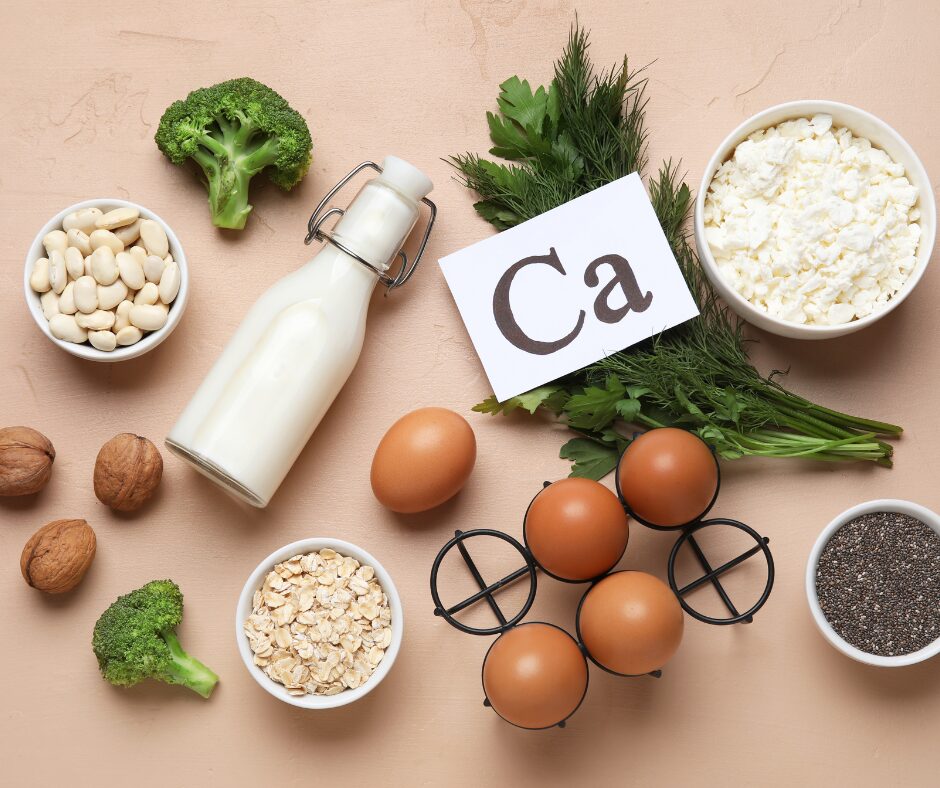
Common Sources of Calcium in Food for Better Bone Health
Dietary calcium remains the most reliable way to support bone strength. Food sources provide calcium in forms the body absorbs well. They also supply additional nutrients that support bone metabolism.
Dairy as a Leading Source of Calcium
Dairy foods remain among the richest sources of calcium. Milk, yogurt, and cheese offer highly absorbable calcium. They also provide protein, phosphorus, and vitamin D when fortified. Because of this, dairy supports bone health at every age.
Plant‑Based Common Sources of Calcium in Food
Many people prefer plant‑based options. Fortunately, several foods are excellent sources of calcium:
- Fortified plant milks
- Leafy greens such as kale and bok choy
- Tofu made with calcium sulfate
- Beans and lentils
- Almonds and chia seeds
Although some greens contain oxalates that reduce absorption, many still contribute meaningfully to daily intake.
Fish and Seafood as Common Sources of Calcium in food
Canned salmon and sardines with bones provide calcium and vitamin D together. Because of this, they support bone health more effectively than calcium supplements alone.
Other Nutrients That Support Calcium Absorption
Although calcium remains essential, it does not work alone. Several nutrients help the body use calcium effectively.
Vitamin K2
Vitamin K2 directs calcium into bones and away from arteries. Because of this, it supports bone density and cardiovascular health.
Magnesium
Magnesium helps convert vitamin D into its active form. It also supports bone structure. Many adults do not get enough magnesium, which may reduce calcium absorption.
Phosphorus
Phosphorus works with calcium to form bone mineral. Most people get enough through protein-rich foods.
Protein
Protein supports bone matrix formation. Balanced protein intake improves calcium retention.

Lifestyle Strategies That Improve Calcium Levels Naturally
Although diet plays a major role, lifestyle also influences calcium levels and bone strength.
Weight‑Bearing Exercise
Walking, resistance training, and stair climbing stimulate bone formation. Because of this, they help maintain bone density throughout life.
Adequate Sunlight Exposure Maximize the impact of Calcium Supplements
Sunlight triggers vitamin D production. Even short periods outdoors support calcium absorption.
Limiting Excess Sodium and Caffeine While Taking Calcium Supplements
High sodium and caffeine intake increase calcium loss through urine. Moderation supports better calcium balance.
Avoiding Smoking and Excess Alcohol
Both habits weaken bone structure and reduce calcium absorption.

How to Optimize Calcium Supplements When Needed
Although food remains the best source, some people still need supplements. Older adults, individuals with lactose intolerance, vegans, and those with digestive conditions may struggle to meet daily needs through diet alone.
Choosing the Right Form
Calcium citrate absorbs well and works for people with lower stomach acid. Calcium carbonate offers higher elemental calcium but requires food for absorption.
Taking Smaller Doses
The body absorbs calcium best in smaller amounts. Because of this, experts often suggest dividing intake throughout the day.
Pairing Calcium Supplements with Vitamin D
Vitamin D improves absorption. Many supplements combine both nutrients for convenience.
Monitoring Calcium Levels with a Healthcare Provider
Although supplements help in some cases, regular monitoring ensures safe and effective use. Health Canada encourages individuals to discuss supplement use with a healthcare professional, especially if they take medications or have chronic conditions.
Best Sources of Calcium in Food vs. Calcium Supplements
Although calcium supplements offer convenience, food sources provide broader benefits. They deliver additional vitamins, minerals, and proteins that support bone health. Because of this, dietary calcium remains the preferred option for most people.
Why Food Sources Support Better Long‑Term Health
Food-based calcium absorbs more efficiently. It also reduces the risk of excessive intake. Because of this, experts recommend prioritizing food first and using supplements only when necessary.
Health Canada Guidance on Calcium Supplement Intake
Health Canada provides clear recommendations for daily calcium intake. Adults aged 19–50 typically need 1000 mg per day. Adults over 50 require 1200 mg per day. These guidelines emphasize food as the primary source.
Health Canada also highlights the importance of vitamin D. Adults over 50 should take a daily vitamin D supplement because natural intake often falls short.
In conclusion, the key to increasing calcium levels is a balanced approach. Diet, vitamin D, lifestyle, and supporting nutrients all work together to maintain strong bones. Therefore, experts encourage older adults to tailor a plan with calcium-rich diets, sufficient vitamin D, other supporting supplements, exercises and lifestyle adjustments. This approach will not only increase calcium levels in the body, but also support quicker bone recovery in older ages.
