
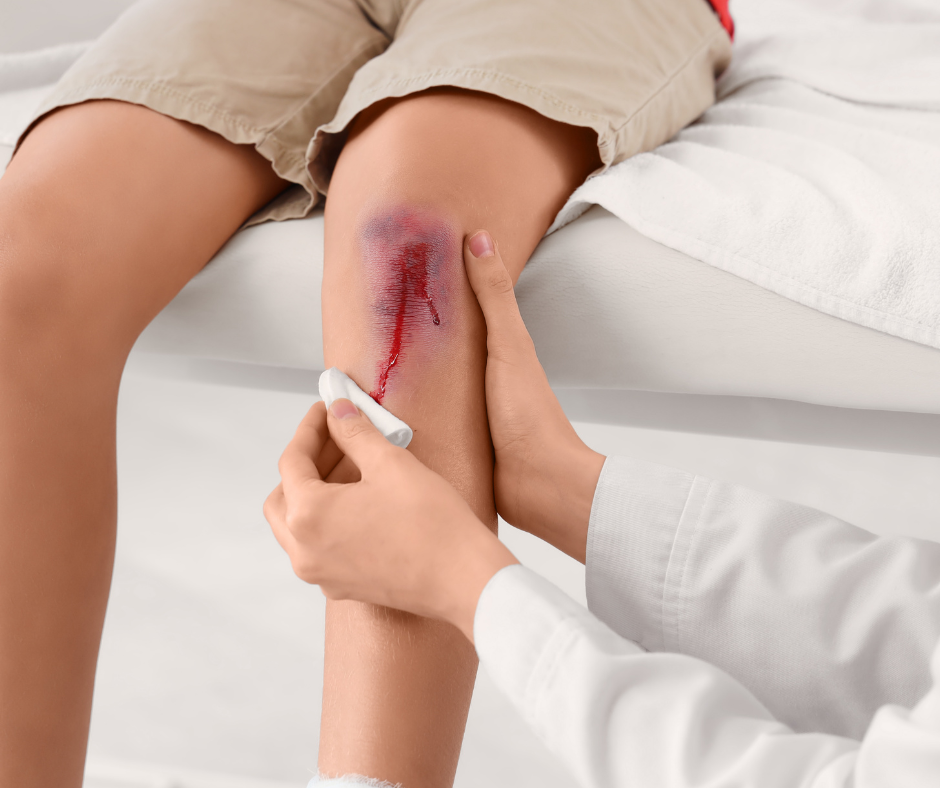
A minor injury clinic fills a major gap in the healthcare landscape. If you’ve ever sat in a Canadian emergency room with a sprained ankle or a cut that needed stitches, you know how long the wait can feel. The national numbers show why. Emergency department visits grew to 16.1 million in 2024–2025, up from almost 15.5 million the year before, an increase of nearly 4 percent. About 1.5 million Canadians, roughly one in ten ED patients, spent more than 14 hours in an emergency department in 2024–25, a 28 per cent increase from 2018–19.
Many of those patients had nowhere else to go. The Canadian Institute for Health Information (CIHI) found that over 1 in 7 visits to emergency departments across Canada were for conditions that could potentially have been managed in primary care. At the same time, 17% of Canadians do not have a regular care provider such as a family doctor or nurse practitioner, and that proportion has been worsening over time. The effect on hospitals is measurable: patients without a regular provider represented 15.9% of the population but accounted for 23.6% of ED visits in 2024–2025.
A minor injury clinic provides Canadians with a fast, appropriate option for treating sudden but non-life-threatening health concerns. Clinics can perform stitches, apply splints, order X-rays, and prescribe medications without patients having to wait behind those experiencing heart attacks or severe trauma. This guide explains what these clinics do, what they treat, how they ease pressure on hospitals, and how to tell when they’re the right choice for you or your family.
What Is a Minor Injury and Illness Clinic?
A minor injury clinic is a non-emergency medical setting for injuries and illnesses that need prompt attention but do not threaten your life or a limb. In Manitoba, these are usually called Minor Injury and Illness Clinics (MIICs). Elsewhere in Canada you may see similar services called urgent care centres or urgent and primary care centres.
In Winnipeg, the clinics are staffed by physicians, nurse practitioners and nurses who provide primary health-care services for minor health concerns, and the public can book same-day appointments at clinics with extended hours, seven days a week.
It helps to think of this kind of clinic as the middle ground in the health system:
- Your family doctor is best for ongoing care, chronic conditions, screening and long-term follow-up.
- The emergency department is for life-threatening or limb-threatening emergencies.
- A minor injury and illness clinic is for the sprained wrist on a Saturday afternoon, the deep kitchen cut, or the ear infection that can’t wait until your doctor’s next opening.
Why Minor Injury Clinics Matter for Canada’s Emergency Rooms
Relieving Pressure on Emergency Departments
Canadian emergency departments sort patients using the Canadian Triage and Acuity Scale (CTAS), from level 1 (resuscitation) to level 5 (non-urgent). Patients with minor problems are placed at the back of the line, which is why someone with a broken finger can wait many hours. ER caseloads have also become more complex: between 2018–2019 and 2024–2025, the share of ED visits classified as CTAS 4 or 5 fell from 41% to 34%, while high-acuity visits rose from 59% to 66% of ED activity.
When lower-acuity patients can be safely treated elsewhere, emergency teams can focus on more severe cases. This was the reasoning behind Winnipeg’s Health Sciences Centre clinic, which the province said would ease pressure on the emergency department and connect patients with less urgent needs to other sites at the hospital for care.
Providing Accessible, Timely Care
Most of these clinics offer walk-in visits, same-day bookings, or both, often in the evenings and on weekends. For working parents, students and shift workers, that flexibility prevents the injury from getting worse.
Bridging Gaps in Primary Care
For the millions of Canadians without a family doctor, and for travellers, newcomers and students living away from home, these clinics offer a reliable entry point to care. They provide episodic care, meaning they treat the problem in front of them rather than managing your long-term health. As Winnipeg’s Health Sciences Centre explains, the clinic provides episodic care and does not follow patients as a primary care provider would.
Common Conditions Treated at a Minor Injury Clinic
Each clinic sets its own scope, but most treat a similar range of problems.
Bone and Muscle Injuries
- Suspected simple fractures (for example, wrist, finger, toe or ankle)
- Sprains and strains
- Joint pain and muscular pain
- Sudden and severe back pain
Wounds, Burns and Bites
- Cuts that need stitches, plus suture or staple removal
- Minor burns
- Scrapes and abrasions
- Animal bites and insect bites or stings
Common Illnesses
- Sore throat and ear infections
- Coughs and worsening respiratory infections
- Urinary tract infections (UTIs)
- Fever. Winnipeg guidance advises patients to seek care the same day if a fever is over 38.6°C for more than 8 hours
Other Minor Concerns
- Minor to moderate rashes, sores and skin infections
- Eye irritation or redness
- Mild allergic reactions (not anaphylaxis)
- At some sites, minor head injury with no loss of consciousness, headaches and vertigo, STI checks, and women’s health concerns such as minor bleeding, PAP tests and family planning
Services You Can Expect at a Minor Injury Clinic
The services are what make these clinics more capable than a typical walk-in office:
- Fracture and sprain care: setting and casting uncomplicated broken bones, or providing splints, braces and crutches.
- Wound care: cleaning, dressing and stitching minor cuts and burns.
- Tetanus shots: important after cuts, puncture wounds and animal bites if your immunization isn’t up to date.
- Diagnostic testing: basic X-rays and lab work. At hospital-linked sites, if a physician or nurse practitioner determines a patient needs lab or X-ray services, they can use resources already available in the hospital, further reducing wait times and delay.
- Prescriptions: antibiotics, short-term pain relief and other medications for acute problems.
Because a minor injury clinic can often X-ray, diagnose and treat in a single visit, patients avoid being bounced between multiple appointments.
Where to Find Minor Injury and Illness Care in Winnipeg
If you’ve typed “minor injury clinic Winnipeg” into a search bar, you have several options. According to the Winnipeg Regional Health Authority’s current listings:
- Misericordia Health Centre MIIC, 99 Cornish Avenue: Monday to Friday 1:00 p.m. to 10:00 p.m., weekends and statutory holidays 7:30 a.m. to 10:00 p.m., with same-day and next-day appointments bookable online and limited walk-ins.
- Express Medical Care, 359 Johnson Avenue, Monday to Friday 8:30 a.m. to 5:00 p.m, Saturday 9:00 a.m. to 2:00 p.m. You can book an appointment online, or call 204‑306‑4259.
- The Minor Illness & Injury Clinic, 1001 Corydon Avenue: open seven days a week from 9:00 a.m. to 7:00 p.m., closed on statutory holidays, with same-day and next-day bookings online or by phone at 431-222-2273.
- Health Sciences Centre Minor Treatment Clinic, 700 William Avenue (Purple Bear Zone): open 8 a.m. to 8 p.m. seven days a week, including holidays except Christmas Day and New Year’s Day, for adults only. It prioritizes patients who have been waiting in the Emergency Department, so wait times may fluctuate, and it may close early to walk-ins depending on demand.
- Kalo Medical Clinic (1107 Munroe Avenue) and Pure Lifestyle Minor Injury & Illness Walk-In (1129 Empress Street) are open weekdays from 9:00 a.m. to 5:00 p.m.
- Grace Hospital MIIC at 280 Booth Drive is listed as coming soon.
Hours change, so check the WRHA website before you go. The WRHA’s reassurance to patients is simple: there’s no wrong door, and if a clinic can’t help, staff will connect you to the right care.
When to Go to the Emergency Department Instead of a Minor Injury Clinic
These clinics are not equipped for true emergencies. Call 911 or go directly to the nearest ER for:
- Chest pain or pressure, or difficulty breathing
- Signs of stroke: face drooping, arm weakness, slurred speech
- Severe bleeding that won’t stop with pressure
- A head injury with loss of consciousness, confusion or repeated vomiting
- An obviously deformed limb or bone breaking through the skin
- Severe allergic reactions with throat or facial swelling
- Severe abdominal pain, seizures, or thoughts of self-harm
If you’re unsure, Health Links – Info Santé is staffed by bilingual registered nurses 24/7 at 204-788-8200 or toll-free 1-888-315-9257. Most other provinces offer a similar nurse line, often through 811.
Tips for Making the Most of Your Visit to a Minor Injury Clinic
- Bring your provincial health card. Care at these clinics is publicly insured for eligible residents.
- Book online when possible. Same-day slots often fill quickly.
- Bring a list of your medications and allergies, and know your last tetanus shot if you can.
- Know what the clinic does not offer. For example, HSC’s clinic does not offer uninsured services such as MPI medical forms, return-to-work forms or travel vaccinations, and will not issue prescriptions for chronic pain or lost prescriptions.
- Follow up. Ask for a copy of your visit notes or X-ray results to share with your family doctor.
In conclusion, the most important idea is getting the right care in the right place at the right time. A minor injury clinic is not a lesser version of the emergency room. It is a setting designed specifically for injuries that are not life threatening. In a minor injury clinic doctors usually attend you faster.
A Few Practical Insights From Clinical Experience:
- Don’t wait it out. Cuts close best when repaired early, ideally within a few hours. Sprains and suspected fractures heal better when properly immobilized from the start. Delaying care can mean more scarring, infection or a longer recovery.
- Keep your tetanus up to date. Canadian adults should have a tetanus booster every 10 years, and sooner after a dirty or deep wound.
- Respect the red flags. If symptoms are severe or getting worse quickly, skip the clinic and go to the ER. Clinic staff will send you there if needed, but it’s better not to lose time.
- Use these clinics as a bridge, not a replacement. Episodic care is valuable, but long-term health depends on continuity. If you don’t have a family doctor or nurse practitioner, register today (in Manitoba, the Family Doctor Finder).
Estimated reading time: 8 minutes
Key Takeaways
- Minor Injury Clinics fill gaps in healthcare by treating non-life-threatening conditions quickly.
- These clinics relieve pressure on emergency departments, allowing focus on more severe cases.
- Services include stitches, sprain care, and immediate access to diagnostic testing like X-rays.
- They provide accessible care with same-day bookings and operate on evenings and weekends.
- Use Minor Injury Clinics for urgent issues, but go to the ER for true emergencies.
