
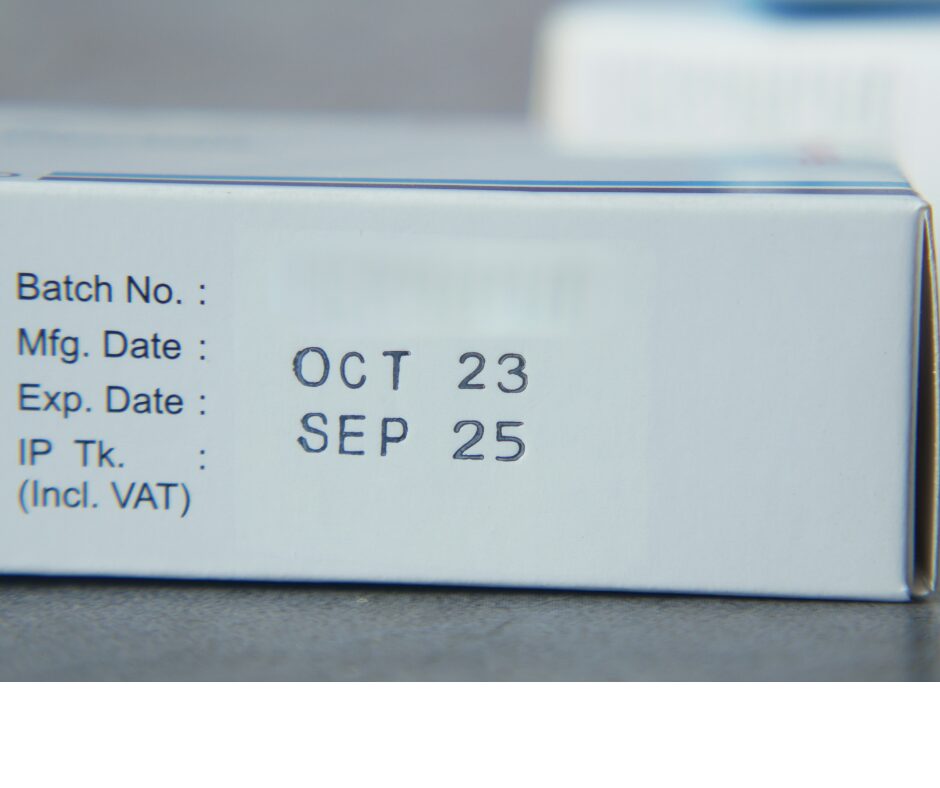
Most of us keep a drawer or cabinet filled with old tablets, cough syrups, antibiotics, eye drops, or other symptom relievers, and when we reach for them on a random day only to discover they’ve expired, we immediately wonder, “Is having expired medications harmful?” and “Should I keep it or dispose it?” If this resonates with you, then we have the answers.
The answer depends on the type of medication, when it expired, how you stored it, and why you need it. Some expired medicines may work. However, others may lose strength and fail to help when you need them most. Similarly, some may break down, become contaminated, or behave unpredictably. Physicians urge patients to respect expiry dates because the real concern isn’t just toxicity—it’s whether the medication will work reliably when you need them the most.
To Understand if Using Expired Medications Is Harmful, Let’s Understand What Does a Medication Expiry Date Mean?
A medication expiry date tells you how long the manufacturer guarantees the product will remain safe, effective, and within quality standards when stored according to the label.
It does not necessarily mean the medication becomes harmful immediately after midnight on the expiry date. However, after that date, the manufacturer no longer guarantees full potency or safety.
Health Canada has a formal process for extending expiry dates only in specific drug-shortage situations. However, manufacturers must provide evidence that a specific batch continues to meet safety and quality specifications for the proposed extension. This is very different from a patient deciding at home that an old bottle is “probably still okay.”
The Flip Sides of Using Expired Medications
Keeping expired medications may seem practical, especially when medicines are expensive or hard to replace. However, there are several risks.
The first risk is false reassurance. A person may take an expired antibiotic, inhaler, or cold‑and‑flu remedy believing it will treat the problem. However, the drug may no longer be strong enough. As a result, the person may not get the relief they expect.
The second risk is delayed care. If an expired medicine does not work, a person may wait too long before seeking medical help.
The third risk is accidental misuse. Old medicines may be taken for the wrong condition, shared with another person, or confused with current prescriptions.
Last but not the least, unsafe storage. Medicines kept in bathrooms, cars, kitchens, or bags may be exposed to heat and humidity, which can compromise its efficacy.
How Long After Expiry Does Medication Lose Potency?
There is no universal answer to this question. Some medications may remain stable for some time after expiry, especially unopened solid tablets stored in cool, dry conditions, or as indicated in the label. However, patients cannot accurately determine its potency just by looking at a pill.
Studies and government shelf-life programs have shown that some stockpiled medications may last beyond their labeled expiry dates under controlled conditions. However, those programs involve batch testing, proper storage, and formal review. They do not apply to medicine stored in home cabinets.
From a practical medical standpoint, you should assume that full potency is only guaranteed until the printed expiry date. After that, potency may remain, decline slowly, or decline quickly depending on the medication and storage conditions.
List of Harmful Expired Medications
Epinephrine Auto-Injectors are harmful after expiry
We use Epinephrine for severe allergic reactions. If it loses potency, it may fail during anaphylaxis, which can be life-threatening. Patients should replace expired auto-injectors before the expiry date.
Insulin Loses effectiveness after expiry
Insulin can degrade and lose effectiveness, leading to poor blood sugar control. For people with diabetes, weak insulin can increase the risk of severe hyperglycemia or diabetic ketoacidosis. Hence, these expired medications are harmful and can cause severe risks.
Nitroglycerin is sensitive to storage conditions
Nitroglycerin relieves chest pain or angina. It is sensitive to storage conditions and may lose effectiveness over time. A weak nitroglycerin tablet or spray during chest pain can be dangerous.
Expired Antibiotics are not fully potent
Expired antibiotics may not fully treat the infections. Sub-potent antibiotics can allow infection to worsen and may contribute to antimicrobial resistance. The FDA specifically warns that sub-potent antibiotics may fail to treat infections and lead to more serious illness.
Expired eye drops can contaminate slowly
Eye drops, especially opened bottles, can become contaminated over time. Using contaminated eye drops may cause eye infection or irritation.
Expired inhalers can be risky
Expired inhalers may not deliver the expected dose. This can be risky during asthma or COPD symptoms, especially if you need them for sudden breathing difficulty.
Replace expired seizure, heart, and blood pressure medications
Medicines for seizures, heart rhythm, blood pressure, or clotting should not be treated casually after expiry. Even small changes in effectiveness may matter. This is because these drugs don’t just manage symptoms — they keep the body stable, prevent dangerous events, and maintain life‑critical functions. When their potency fades, the consequences can escalate quickly.
Seizure medications must stay consistently strong to prevent breakthrough seizures. Heart‑rhythm drugs must work precisely to keep the heartbeat steady. Blood‑pressure medications must deliver reliable control to avoid spikes or crashes. Clotting medications must maintain exact strength to prevent strokes or dangerous bleeding. Because these drugs rely on tight therapeutic windows, even minor potency loss after expiry can change how your body responds.
Factors that Make Expired Medications Harmful
Expired Tablets, Capsules, Liquids, and Creams Can have Different Effects
The form of the medication matters when it comes to understanding the potency of expired medications.
For example, solid tablets and capsules are generally more stable than liquids, but this does not mean they should be used indefinitely. Liquids, suspensions, reconstituted antibiotics, eye drops, and injectables are more vulnerable to contamination, breakdown, and loss of sterility.
Creams and ointments may separate, change texture, lose potency, or become contaminated after opening. If a topical medication changes color, smell, consistency, or causes unexpected irritation, it should be discarded.
Storage Conditions Are an Important Factor
Medication expiry dates assume proper storage. We must keep most medicines in a cool, dry place away from direct sunlight. Bathrooms are usually poor storage locations because humidity and temperature changes can affect efficacy.
Medicines stored in cars, purses, near windows, or in a hot kitchen may degrade faster. Considering, many a time we do not know how they stored the medication before they expired, physicians and pharmacists recommend replacing expired medicines with new ones.
Is It Acceptable to Take an Expired Medicine?
For minor symptoms, such as a mild headache, some people may take a recently expired over-the-counter tablet and experience no obvious harm. However, that does not mean it is medically recommended, or it will give the best results. It’s a matter of chance. Some may work, while others may not.
However, doctors do not recommend using expired medications when treating:
- Chest pain
- Severe allergic reaction
- Asthma attack
- Infection
- Seizure prevention
- Diabetes control
- High blood pressure
- Blood clot prevention
- Pregnancy-related conditions
- Symptoms in infants or young children
What to Do If You Accidentally Took Expired Medication
If you accidentally took one dose of an expired medicine, do not panic. Most expired medications are more likely to be less effective than acutely toxic.
Call a pharmacist, poison center, or healthcare provider if the medication was an antibiotic, insulin, heart medication, seizure medication, blood thinner, opioid, sedative, eye drop, injectable, or a medication for a child.
Seek urgent care if you took an expired medication and develop trouble breathing, severe dizziness, swelling, chest pain, confusion, severe vomiting, fainting, or signs of allergic reaction.
How to Dispose of Expired Medications
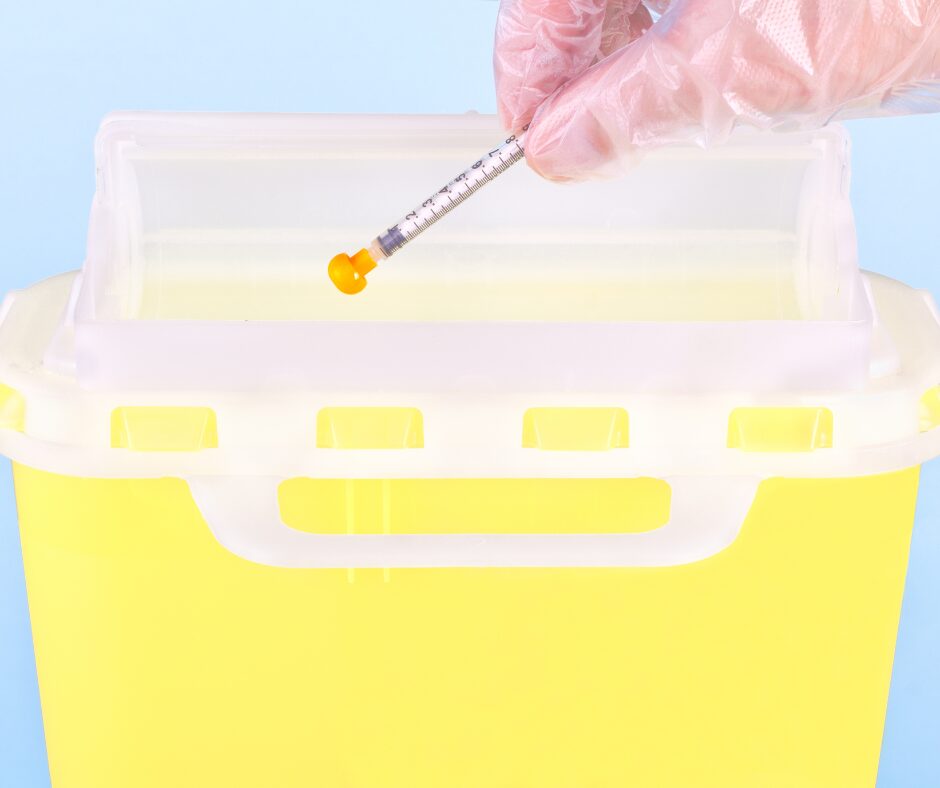
Do not keep expired medications “just in case.” This increases the risk of accidental ingestion, duplicate dosing, misuse, or confusion.
The best option is to return expired or unused medicines to a pharmacy medication take-back program. Avoid flushing medications unless specifically instructed, because improper disposal can affect the environment.
Before disposal, keep medications in their original containers when possible, but remove or cover personal information on the label.
Doctors’ Practical Advice
From a doctor’s point of view, the most important question is not: “Are these expired medications harmful?” The better question is: “Can I safely rely on this medication to work?”
For mild, non-urgent symptoms, an expired medicine may simply fail to help. For serious symptoms, reduced potency can be dangerous. This is why we advise patients to store medications in an environment recommended in its label. Additionally, maintain a file with medication dates, their date of purchase and their expiry dates. This will help you manage your medicines better, and replace expired medicine on time. We also advise patients to check their medicine cabinet every few months, especially before flu season, allergy season, travel, or before caring for children and older adults. Ask your pharmacist if you are unsure about the dates. Most of them maintain a record of your prescription and purchase history.
Conclusion
In conclusion we can summarize that expired medication is not always immediately harmful, but it is no longer guaranteed to be safe, effective, or fully potent. Some medicines may retain strength beyond the expiry date under ideal conditions, but patients cannot reliably confirm this at home.
The safest rule is to avoid using expired medicines, especially for infections, chronic diseases, emergencies, children, pregnancy, or serious symptoms. When in doubt, ask a pharmacist or physician before taking it.
Key Takeaways
- Expired medications may lose potency and effectiveness after the expiration date, risking patient safety.
- Certain expired medications, like epinephrine and insulin, can be harmful and should be replaced promptly.
- Storage conditions heavily influence medication stability; improper storage can lead to faster degradation.
- While some over-the-counter expired meds might seem okay for minor issues, relying on them for serious symptoms can be dangerous.
- Return expired medications to a pharmacy for safe disposal to prevent misuse and environmental harm.
Estimated reading time: 9 minutes
Table of contents
- To Understand if Using Expired Medications Is Harmful, Let’s Understand What Does a Medication Expiry Date Mean?
- The Flip Sides of Using Expired Medications
- How Long After Expiry Does Medication Lose Potency?
- List of Harmful Expired Medications
- Epinephrine Auto-Injectors are harmful after expiry
- Insulin Loses effectiveness after expiry
- Nitroglycerin is sensitive to storage conditions
- Expired Antibiotics are not fully potent
- Expired eye drops can contaminate slowly
- Expired inhalers can be risky
- Replace expired seizure, heart, and blood pressure medications
- Factors that Make Expired Medications Harmful
- Is It Acceptable to Take an Expired Medicine?
- What to Do If You Accidentally Took Expired Medication
- How to Dispose of Expired Medications
- Doctors’ Practical Advice
- Conclusion
- Frequently Asked Questions
Frequently Asked Questions
Most expired medicines are more likely to lose potency than become toxic. However, chemical breakdown, contamination, or loss of sterility can make some products unsafe, especially liquids, eye drops, injectables, and certain antibiotics.
It may not be immediately harmful if only slightly expired and properly stored, but it may be less effective. Since acetaminophen is inexpensive and widely available, replacing it is safer than relying on an expired supply.
No. Expired antibiotics may not treat the infection properly and may contribute to worsening illness or antibiotic resistance. Antibiotics should also not be reused without medical assessment.
A practical routine is every three to six months. Check expiry dates, remove medicines you no longer use, and replace emergency medications such as inhalers, epinephrine auto-injectors, insulin, and nitroglycerin before they expire.
In a true emergency, use any available emergency treatment and call emergency services right away, especially for anaphylaxis, asthma, seizures, or chest pain. You may use an expired emergency medicine if it’s the only option, but it must not replace urgent medical care.
